
Autism and Oxidative Stress
Supporting glutathione capacity, Nrf2 signalling, and cellular antioxidant defence through regenerative protocols.
Condition overview
Oxidative stress — the imbalance between reactive oxygen species and the antioxidant defences that contain them — is one of the most consistently documented biological findings in autism research. Reduced glutathione, weakened Nrf2 signalling, and elevated markers of lipid peroxidation create a cellular environment in which neurons, mitochondria, and immune cells all operate under chronic strain. Our Istanbul protocols are designed to lift that strain through MSC and exosome therapy paired with selective antioxidant IV support, giving the cellular machinery a more favourable foundation on which to function.
Key Takeaways
- 01Reduced glutathione and elevated oxidative damage are repeatedly documented in autism.
- 02Nrf2 signalling — the master antioxidant pathway — is often under-activated.
- 03MSC and exosome therapy may shift the cellular environment away from oxidative damage.
- 04Selective IV antioxidants are layered around treatment when clinically indicated.
- 05Sleep, gut health, and nutrition all influence long-term redox balance.
01Chapter
What Oxidative Stress Actually Is
Every cell continuously generates reactive oxygen species as a by-product of metabolism. In a balanced state, the body's antioxidant systems — glutathione, superoxide dismutase, catalase, vitamins C and E, and the master Nrf2-driven response — neutralise these radicals before they damage DNA, proteins, and lipid membranes. Oxidative stress arises when generation outpaces defence, leaving accumulated damage. In autism the picture is consistent across studies: lower reduced glutathione, a less favourable reduced-to-oxidised glutathione ratio, weaker Nrf2 activation, and higher circulating markers of lipid peroxidation such as 8-isoprostane.
02Chapter
Why It Matters for Autistic Children Specifically
Neural tissue is unusually vulnerable to oxidative damage because it is lipid-rich, metabolically demanding, and slow to regenerate. Persistent oxidative stress amplifies neuroinflammation, accelerates mitochondrial decline, and may contribute to developmental regression during periods of metabolic strain — illness, surgery, fasting. It also weakens immune regulation, leaving the system more reactive to ordinary triggers. Recognising oxidative stress as a clinical thread helps explain why some children seem to lose ground after viral illness or general anaesthesia and why antioxidant support is part of the regenerative conversation.

03Chapter
How MSCs and Exosomes Influence Redox Balance
Mesenchymal stem cells secrete a paracrine cocktail that includes antioxidant enzymes, growth factors, and exosomes carrying microRNA cargo capable of upregulating Nrf2-mediated defences. Preclinical work shows MSCs can support glutathione regeneration, reduce lipid peroxidation markers, and shift cells away from a pro-oxidant state. Exosomes deliver a similar cargo with a different logistical profile and are often combined with whole-cell therapy in our protocols. The aim is not to flood the body with antioxidants but to restore the cell's own ability to regulate redox balance.
04Chapter
Layering Antioxidant IV Support
When clinically indicated, supportive IV therapies — including reduced glutathione, vitamin C, B-complex, and methylation cofactors — may be layered around the core MSC and exosome sessions. The decision to include them, and at what dose, is individualised based on history, recent labs, and tolerance. Some families benefit clearly from this layered approach; for others the regenerative therapy alone is sufficient. We do not over-prescribe IV add-ons as a default.
05Chapter
Maintaining Redox Balance After Treatment
Regenerative therapy can lift cellular antioxidant capacity, but daily life either reinforces or erodes that gain. Sleep quality is one of the strongest day-to-day factors. Gut health — addressed through our gut-brain programme — directly influences inflammation and therefore oxidative load. A diet rich in colourful plants, adequate protein for glutathione precursors, and reduced exposure to environmental triggers all contribute. Our follow-up calls include parent-friendly guidance on sustaining the gains made during the Istanbul visit.
06Chapter
Common Signs and Symptoms
Fatigue and reduced stamina
Lower energy reserves than peers, with quicker exhaustion during therapy, school, or active play.
Slow recovery from minor illness
Common viruses lead to prolonged behavioural setbacks, sleep disruption, or partial regression that takes weeks to resolve.
Sensitivity to environmental triggers
Heightened reactivity to fragrances, pollutants, or chemical exposures, often paired with skin rashes or behavioural flares.
Skin and barrier signals
Eczema, dry skin, dark under-eye circles, or pallor — surface markers that often reflect underlying inflammatory and oxidative load.
Regression under metabolic stress
Loss of skills or sudden behavioural worsening following illness, surgery, fasting, or unusually demanding periods.
07Chapter
How We Can Help
Our regenerative protocols target the antioxidant capacity, Nrf2 signalling, and inflammatory load that shape oxidative balance in autism — combined with selective IV support when clinically indicated.
08Chapter
Research Highlights
- 01
Reduced glutathione and a lower GSH/GSSG ratio are repeatedly documented in autistic children compared with neurotypical peers.
These findings underpin the rationale for therapies that aim to restore endogenous antioxidant capacity rather than only deliver external antioxidants.
- 02
Nrf2 — the master regulator of antioxidant gene expression — shows reduced activation in many autistic children.
Approaches that engage Nrf2 signalling, including MSC paracrine effects, are particularly relevant to this biological pattern.
09Chapter
Our Treatment Approach
1. Redox-aware intake
We review history of regression, illness recovery, environmental sensitivities, prior labs, and any specialist input before designing the protocol.
2. Combined regenerative plan
Most plans pair intravenous MSCs and exosome therapy with selective antioxidant IV support — glutathione, vitamin C, B-complex — when clinically indicated.
3. Treatment in Istanbul
Hydration and rest are protected throughout the 5–7 day visit, since recovery capacity and oxidative load are linked.
4. Sustained-balance follow-up
Follow-ups review stamina, illness-recovery patterns, sleep, and any planned repeat antioxidant support.
10Chapter
What Parents Often Ask
We've already given lots of antioxidant supplements — why might this be different?
Oral antioxidants help but cannot rebuild internal regulation on their own. Regenerative therapy aims to restore the cell's own antioxidant machinery, so supplements work with a more responsive system rather than against a depleted one.
Our child regresses every time they get sick. Will this change?
When oxidative reserve improves, families often describe shorter, less disruptive setbacks after minor illness. We cannot guarantee it, but it is one of the more frequently reported observations.
Treatments We Offer for Autism and Oxidative Stress
Concerned About Autism and Oxidative Stress?
Our medical team can review your child's case and explain how our regenerative medicine protocols may help. The initial consultation is free and carries no obligation.
Frequently Asked Questions About Autism and Oxidative Stress
Related content
Why families trust us
Request a Consultation
Take the first step. Complete the form below and our medical coordination team will contact you within 24 hours to discuss your child's case.
Ready to Explore Treatment Options?
Request a free consultation with our medical coordination team. We'll review your child's case and provide personalized guidance.
- JCI-aligned clinical standards
- Coordinator response within 24 hours
- No-obligation medical review
Inside the science
Complex science should still feel clear
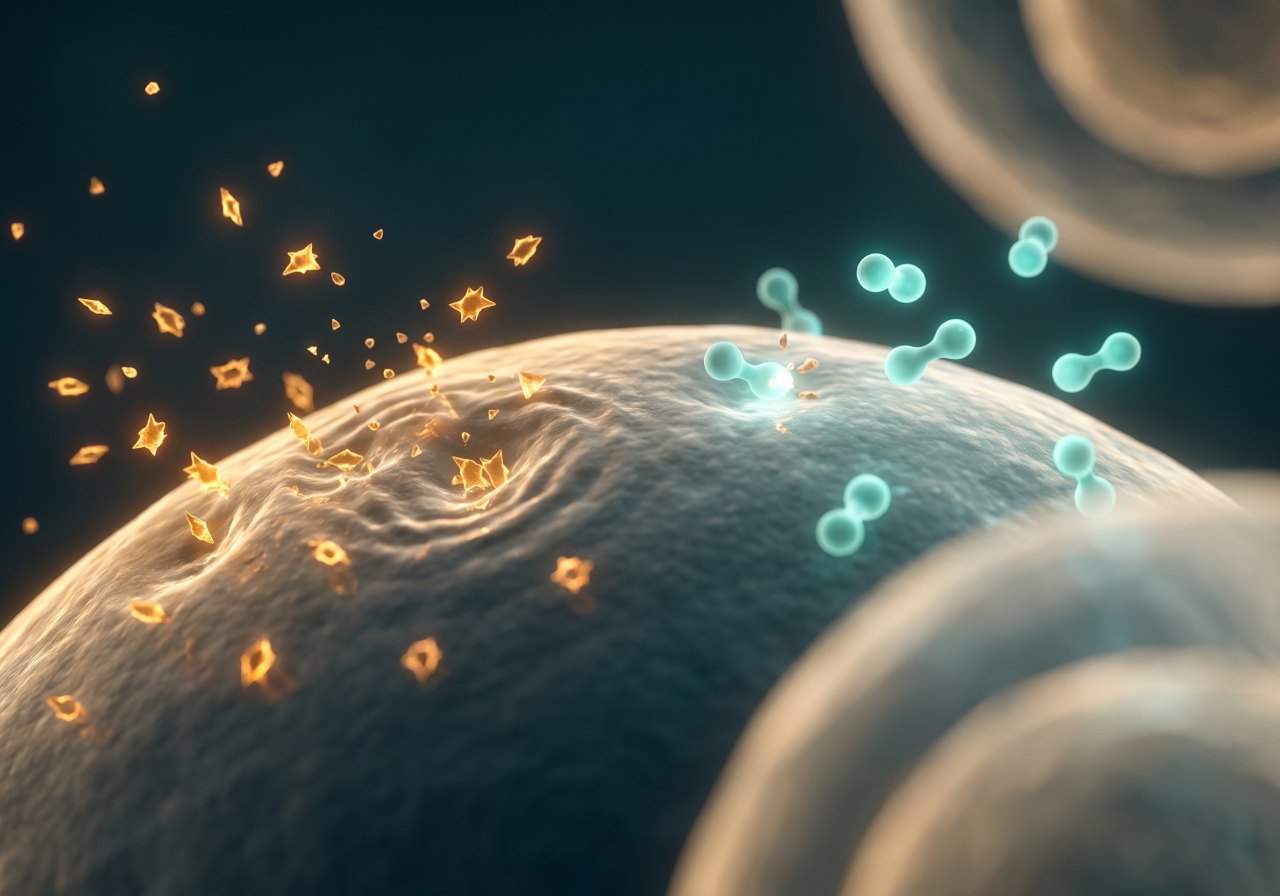
These scenes connect biological concepts with the careful clinical conversations that give them context, limits, and meaning.


Representative and conceptual imagery. Recommendations depend on individual medical review.