
Structured check-ins
Follow-up is organized around defined intervals so progress is reviewed within a clear, repeatable framework.
Comprehensive post-treatment monitoring to track progress and guide ongoing care
Our commitment to your child's care extends well beyond the treatment itself. We maintain comprehensive follow-up and monitoring protocols designed to track treatment response, identify areas of improvement, and guide decisions about ongoing care and potential additional treatment sessions.
Monitoring is designed to identify changes, guide decisions, and support ongoing care.
Defined checkpoints and standardized tools help create a clearer post-treatment picture.
We view follow-up as an ongoing partnership with your family, not just a single aftercare message.


01Care continues at home
Scheduled reviews help families share changes, questions, and local records with the clinical team after returning home.
02Continuity across borders
The care pathway links local observations, scheduled reviews, and clinical documentation into one continuing conversation.
Representative and conceptual media. Not a depiction of a guaranteed outcome.
01Care continues at home
Scheduled reviews help families share changes, questions, and local records with the clinical team after returning home.
02Continuity across borders
The care pathway links local observations, scheduled reviews, and clinical documentation into one continuing conversation.
Representative and conceptual media. Not a depiction of a guaranteed outcome.
Our follow-up program includes structured check-ins at defined intervals post-treatment, standardized developmental and behavioral assessments, review of parent-reported outcomes and observations, laboratory monitoring where clinically indicated, and guidance on complementary therapies and ongoing support.
Our structured follow-up framework ensures families receive ongoing guidance after treatment — including developmental progress tracking, post-treatment monitoring, and clear guidance on when reassessment or future sessions may be appropriate.
Learn how follow-up fits together with Combined Stem Cell and Exosome Protocols, Umbilical Cord Mesenchymal Stem Cells, and Autism Spectrum Disorder.

Follow-up is organized around defined intervals so progress is reviewed within a clear, repeatable framework.
Developmental and behavioral assessment tools help bring more consistency to how post-treatment progress is tracked.
Family observations remain a central part of the monitoring process because day-to-day changes often appear first at home.
Laboratory monitoring may be incorporated when clinically relevant to support broader interpretation of progress and needs.
Follow-up is not only observational. It also helps guide decisions around additional sessions and evolving protocol needs.
Our medical team remains available for guidance, questions, and clinical reassessment throughout your child's post-treatment journey.
Our follow-up protocol includes structured check-ins at key milestones: 1 month, 3 months, 6 months, and 12 months post-treatment — helping families track developmental progress and make informed decisions about their child's ongoing care.
Early response review, functional observations, and initial family feedback.
A more meaningful checkpoint for pattern recognition and emerging changes.
Used to assess sustained response, trajectory, and whether further treatment should be considered.
Longer-term follow-up to evaluate durability, ongoing needs, and next-phase planning.
Care does not end when the procedure ends. Our follow-up program provides ongoing review, continued access to the medical team, and a clear framework for evaluating your child's progress over time.
This is especially important for families trying to understand what happens after treatment and how future decisions are made.

We view our relationship with families as long-term. Whether a child has one treatment session or multiple, we remain available for guidance, questions, and ongoing assessment. Many families return for follow-up treatments based on their child's response and evolving needs.
Follow-up is designed to help determine whether additional sessions make sense rather than relying on guesswork.
Continued access for questions and guidance reinforces trust and improves the practical care experience after treatment.
Our relationship with your family is ongoing: we remain available long after you return home.
Understand why long-term developmental and functional tracking is essential after regenerative medicine treatment for autism.
Explore conditionAnswers to the questions families ask most often about follow-up timelines and monitoring after treatment.
Typical follow-up points are at 1 month, 3 months, 6 months, and 12 months post-treatment, though the schedule may be adjusted based on individual needs. Additional check-ins are available as needed.
Families want to know what happens after treatment — how progress is measured, when reassessment occurs, and whether continued guidance is available. Our follow-up protocols are designed to provide that clarity and ongoing support.
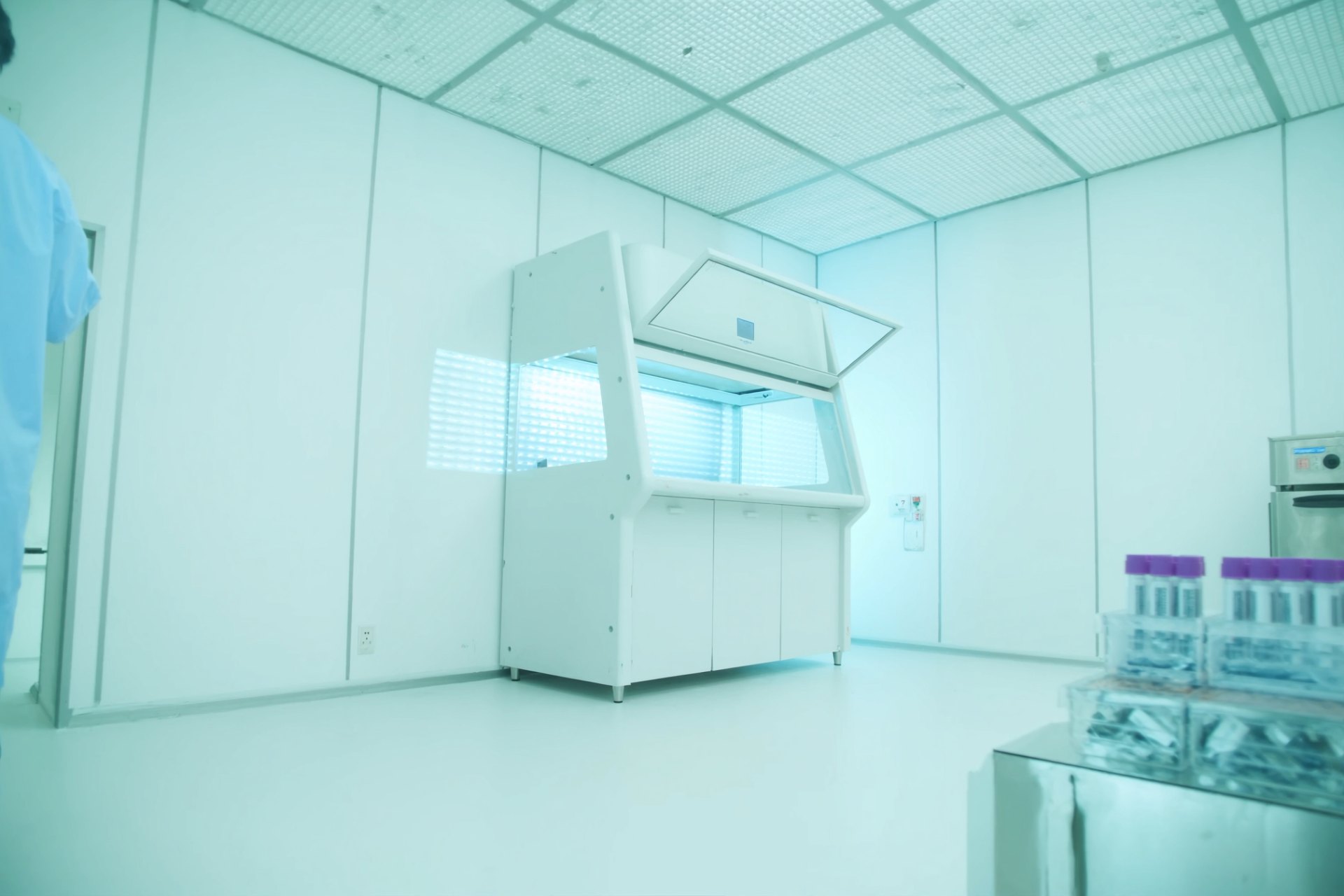
Around the appointment
Arrival, accommodation, clinic time, and the return home are coordinated as one calm experience for the whole family.


Representative and conceptual imagery. Recommendations depend on individual medical review.