Intrathecal MSC delivery
Used when direct CNS access is part of the anti-neuroinflammatory treatment rationale.
Targeted regenerative interventions to address chronic brain inflammation in autism
Neuroinflammation is a central biological feature of autism that our regenerative medicine protocols are specifically designed to address. Our multi-modal approach combines MSC therapy, exosome treatments, and supportive interventions to reduce chronic brain inflammation and support neural repair.
Targeted treatment protocols addressing chronic neuroinflammatory patterns associated with autism.
MSC therapy, exosome signaling, and supportive interventions combined in a coordinated multi-modal protocol.
Structured follow-up assessments guide treatment decisions and help determine when additional sessions may be beneficial.


01Start with the whole child
History, current supports, goals, records, and practical needs are considered together before any plan is discussed.
02Conceptual biology
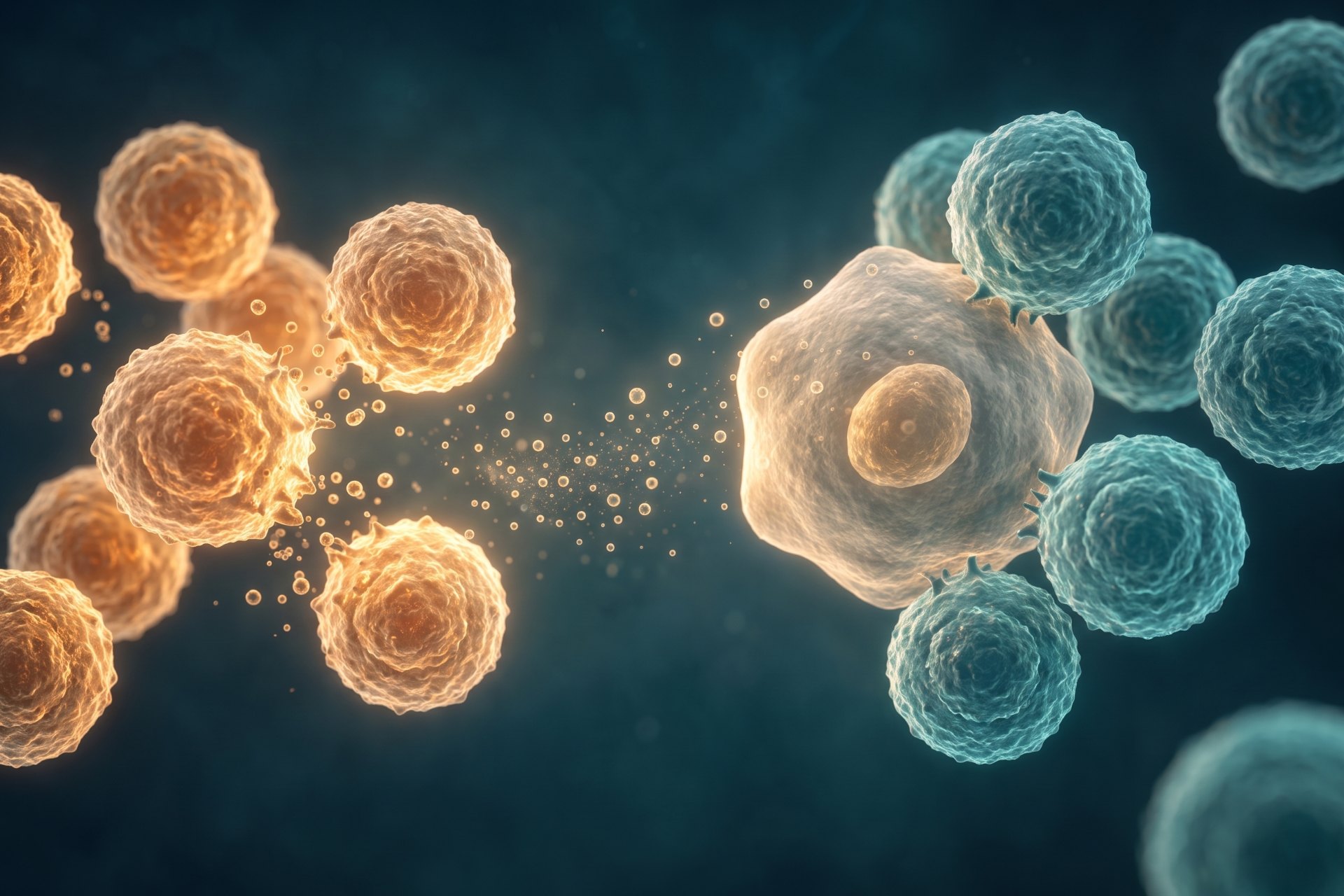
This visual explains the cellular communication families often ask about. It is illustrative and does not predict an individual response.
Representative and conceptual media. Not a depiction of a guaranteed outcome.
01Start with the whole child
History, current supports, goals, records, and practical needs are considered together before any plan is discussed.
02Conceptual biology
This visual explains the cellular communication families often ask about. It is illustrative and does not predict an individual response.
Representative and conceptual media. Not a depiction of a guaranteed outcome.
Our protocols target neuroinflammation through multiple mechanisms: intrathecal MSC delivery for direct CNS access, IV MSC therapy for systemic anti-inflammatory effects, exosome therapy for concentrated anti-inflammatory signaling, and supportive IV nutrient therapies to reduce oxidative stress and support brain metabolism.
Our protocols clearly connect treatment approaches to the biological mechanisms underlying autism-related neuroinflammation. This includes targeted delivery routes for direct CNS access, systemic immune modulation, and concentrated cell-free signaling — each chosen based on the child's individual clinical profile.
These approaches naturally integrate with related treatment areas such as Intrathecal Stem Cell Administration, Exosome Therapy, and Supportive IV Therapies.

Our multi-modal approach addresses neuroinflammation through distinct yet complementary mechanisms, each targeting different aspects of the inflammatory process.
Used when direct CNS access is part of the anti-neuroinflammatory treatment rationale.
Supports systemic immune modulation and broader anti-inflammatory effects alongside more targeted routes.
Provides concentrated cell-free signaling intended to support anti-inflammatory and neuro-supportive biological effects.
Helps address oxidative stress and supports brain metabolism as part of a more complete protocol structure.
Neuroinflammation is one of the strongest biological targets in autism regenerative medicine. Our approach combines multi-modal treatment logic, central and systemic targeting, comprehensive monitoring, and integration with ongoing care.
This also enables seamless integration with Personalized Treatment Planning and broader pages like Combined Stem Cell and Exosome Protocols.
Our approach addresses neuroinflammation through multiple complementary biological pathways and delivery routes for comprehensive anti-inflammatory support.
Treatment protocols combine direct CNS access through intrathecal delivery with systemic anti-inflammatory support through IV administration, addressing inflammation at both local and whole-body levels.
Treatment selection should reflect the child’s clinical presentation, age, inflammatory profile, and treatment goals.
Structured post-treatment monitoring helps track progress, guide decisions about additional sessions, and gives families clear visibility into their child's treatment response.
Our regenerative support is designed to complement your child's existing therapies — including behavioral, educational, and developmental interventions — not replace them.
Chronic brain inflammation is not addressed through a single isolated intervention. The value of our approach is in the coordinated strategy: direct CNS access when needed, systemic immune support, concentrated anti-inflammatory signaling, and metabolic reinforcement.
This coordinated approach is what distinguishes our regenerative support protocols for neuroinflammation.

We monitor treatment response through clinical assessment, parent-reported outcome measures, and appropriate laboratory markers. Our follow-up protocols are designed to track progress and guide decisions about additional treatment sessions.
Monitoring is a crucial part of our approach. Families want to understand what happens after treatment, how progress is tracked, and whether additional sessions may be recommended based on clinical outcomes.
Learn about the role of chronic brain inflammation in autism and why it represents a key therapeutic target for regenerative medicine.
Explore conditionExplore the relationship between immune dysregulation and neuroinflammation, and how both factors inform treatment protocol design.
Explore conditionAnswers to common questions from families exploring regenerative approaches to neuroinflammation.
The number of sessions depends on the child's individual response and clinical profile. Many families pursue an initial treatment course followed by follow-up sessions at intervals determined by the medical team.
Our multi-modal approach addresses neuroinflammation through coordinated mechanisms and personalized protocol design. Request a free consultation to discuss whether this approach is right for your child.
Inside the science
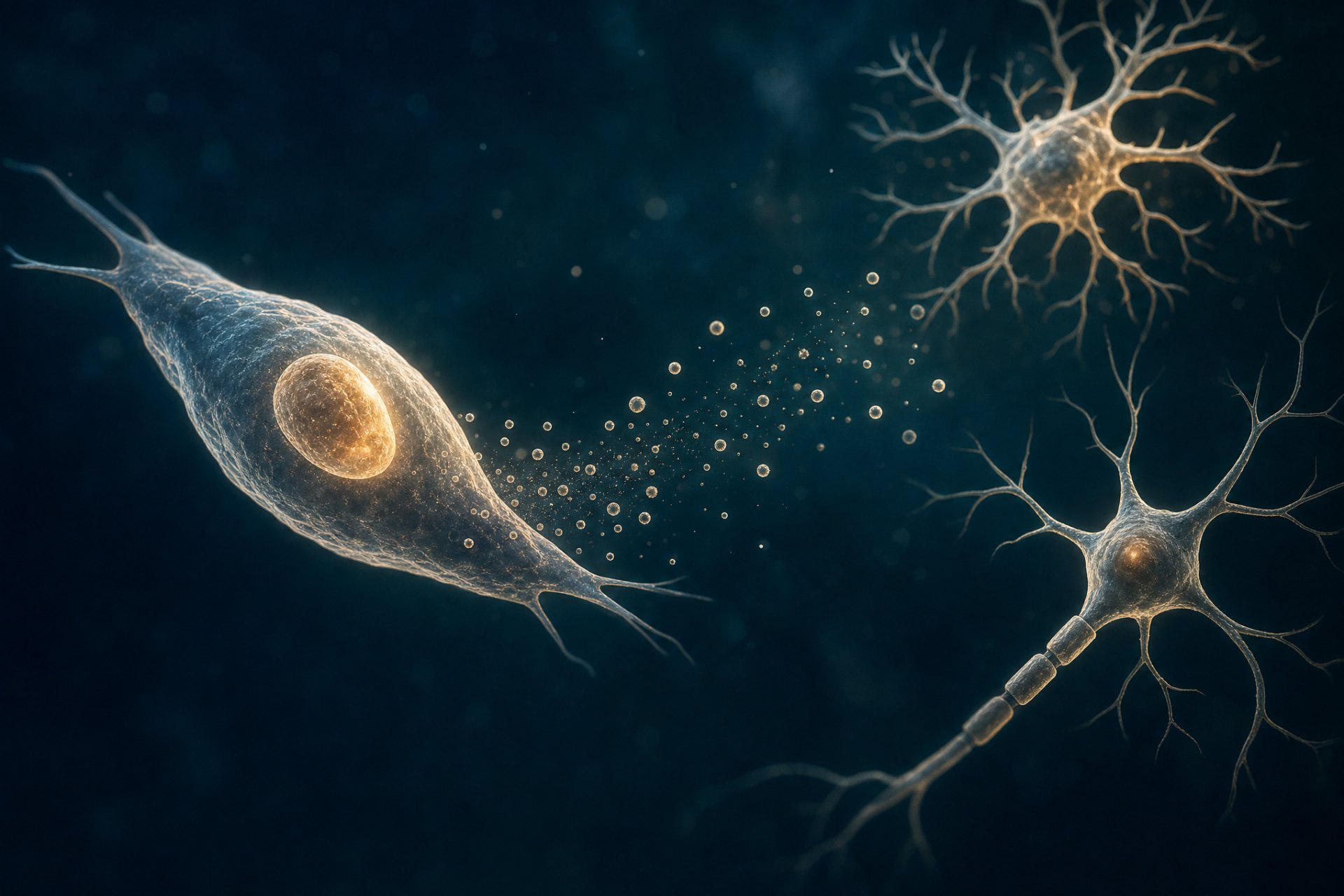
These scenes connect biological concepts with the careful clinical conversations that give them context, limits, and meaning.


Representative and conceptual imagery. Recommendations depend on individual medical review.