Autism and Neuroinflammation
Chronic microglial activation is one of the most consistently documented findings in autism research — and it is a primary target of our protocols.
Condition overview
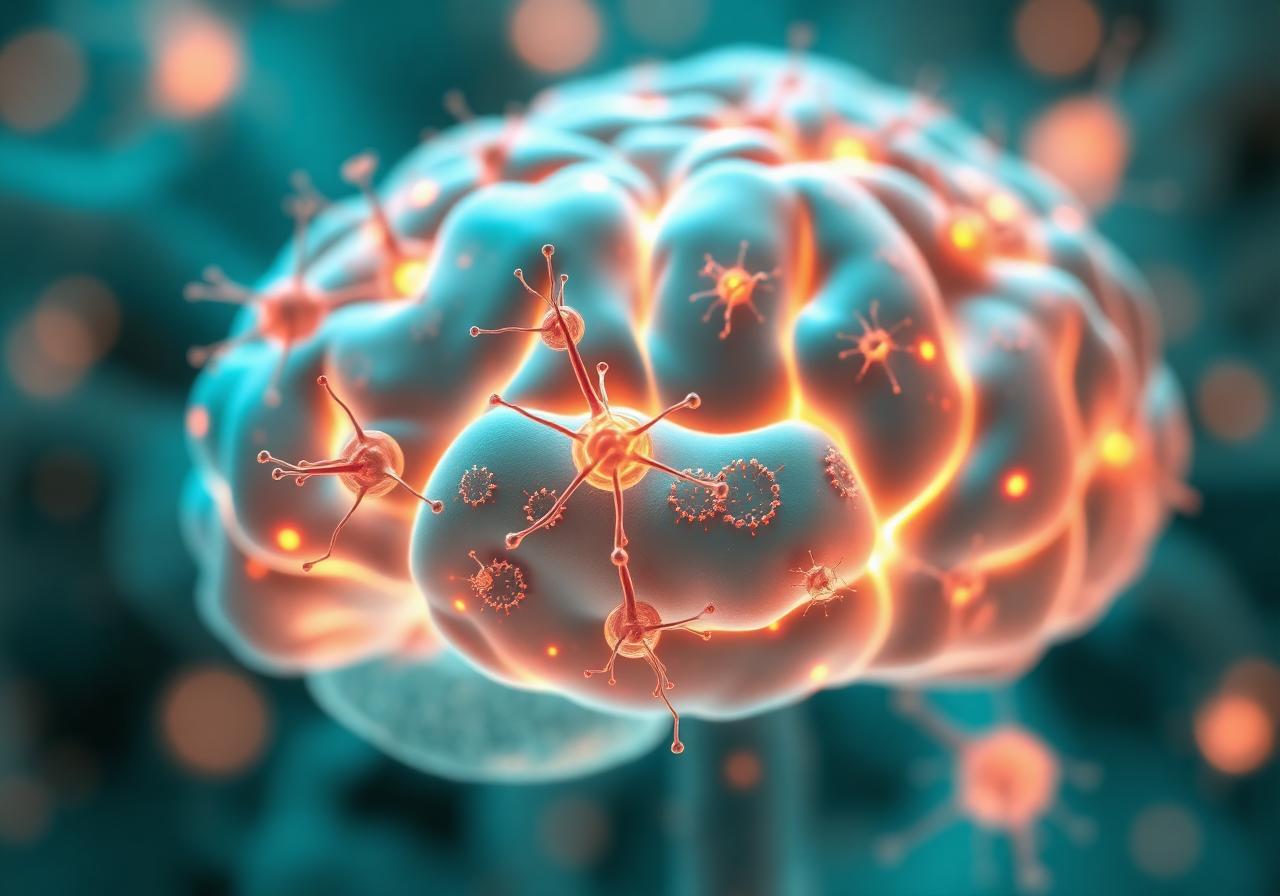
Neuroinflammation — chronic inflammation within the brain and central nervous system — is one of the most consistently documented biological findings in autism research. Studies repeatedly identify activated microglia (the brain's resident immune cells), elevated inflammatory markers in cerebrospinal fluid, and persistent neuroinflammatory processes across post-mortem and PET imaging studies. At Autism Stem Care, addressing neuroinflammation is a central pillar of our regenerative medicine approach.
Key Takeaways
- Activated microglia are documented in autism via post-mortem and PET imaging.
- Chronic neuroinflammation can impair synaptic pruning and neural connectivity.
- MSCs migrate toward inflamed tissue and release anti-inflammatory mediators.
- Intrathecal administration provides direct CNS access for severe cases.
- Exosome therapy complements MSCs for amplified neurotrophic signaling.
What Neuroinflammation Actually Is
Neuroinflammation is activation of the brain's innate immune system — primarily microglia and astrocytes. Short-term activation is normal and protective. Chronic activation is harmful: it can impair synaptic development and pruning, disrupt neural connectivity, affect neurotransmitter production and signaling, damage developing neural tissue, and interfere with the brain's normal maturation. In autism, this chronic activation has been documented across multiple research methodologies and is one of the strongest biological signatures we can target.
How MSC Therapy Targets Brain Inflammation
Mesenchymal stem cells are powerful anti-inflammatory agents with a particular affinity for inflamed tissues. When administered intravenously or intrathecally, MSCs can migrate toward areas of inflammation and release anti-inflammatory cytokines and growth factors, modulate microglial activation from a pro-inflammatory toward a protective phenotype, promote neurotrophic factor release that supports neural repair, reduce oxidative stress in neural tissue, and support blood-brain barrier integrity.
Why Intrathecal Administration Matters Here
Intrathecal administration delivers stem cells directly into the cerebrospinal fluid, bypassing the blood-brain barrier and providing more direct CNS access than IV administration. For children with strong neuroinflammatory features — regression history, behavioral instability during illness, severe sensory dysregulation — intrathecal delivery may offer meaningful advantages. Whether it is appropriate is a medical decision made during the eligibility review.
The Role of Exosomes in Neuroinflammation Protocols
Exosomes — nano-scale vesicles released by stem cells — carry concentrated anti-inflammatory and neurotrophic signaling molecules. They cross biological barriers more easily than whole cells and can be delivered intravenously or intranasally (intranasal delivery is exclusive to exosomes; whole stem cells are never administered intranasally because of size). Exosomes are frequently combined with MSC therapy in neuroinflammation-focused protocols to amplify and prolong anti-inflammatory effects.
Clinical Clues That Neuroinflammation Is Significant
We pay close attention to certain clinical patterns: regression history (especially around 18–30 months), worsening of symptoms during minor infections, behavioral regression after vaccinations or fevers, severe sensory dysregulation, sleep disturbances that don't respond to standard sleep interventions, and elevated systemic inflammatory markers when measured. These are not diagnostic alone, but together they help inform protocol design.
What to Expect From a Neuroinflammation-Focused Protocol
Protocols typically combine MSC therapy (often with intrathecal administration), exosome therapy (sometimes including intranasal delivery), and supportive antioxidant IV therapies. The visit is paced over 5–7 days with daily monitoring. Follow-up explicitly tracks inflammation-relevant outcomes — illness frequency, behavioral stability during stress, sleep quality, and developmental observations.
Common Signs and Symptoms
Developmental regression
Loss of previously acquired language, social, or self-care skills — often in the 18–30 month window or following an illness.
Symptom flare during minor illness
Behavioral regression, sleep disruption, or sensory dysregulation that consistently worsens with even mild infections.
Treatment-resistant sleep disruption
Sleep problems that don't respond to standard sleep hygiene, melatonin, or behavioral approaches.
Severe sensory dysregulation
Constant overwhelm, frequent meltdowns triggered by minor sensory input, and very narrow tolerance windows.
Cognitive fluctuation
Skills that appear and disappear, attention that varies dramatically by day, or 'good day / bad day' patterns far beyond typical variation.
How We Can Help
Neuroinflammation is a primary target of our regenerative protocols. We use MSC therapy (often intrathecal), exosome treatments (including intranasal where appropriate), and supportive antioxidant care to specifically reduce brain inflammation and support neural repair.
Research Highlights
Activated microglia have been documented in post-mortem and PET imaging studies of individuals with ASD.
This is one of the most reproducible biological findings in autism research and underpins our anti-inflammatory protocol design.
MSCs can polarize microglia from M1 (pro-inflammatory) toward M2 (resolving) phenotypes.
This shift is a core mechanism by which MSC therapy may benefit neuroinflammatory conditions.
Exosomes derived from MSCs cross the blood-brain barrier more readily than whole cells.
This biological property informs why exosomes are central to many neuroinflammation-focused autism protocols.
Our Treatment Approach
- 1
1. Inflammation-focused intake
History of regression, illness sensitivity, sleep, sensory profile, and any prior inflammatory or immune lab work.
- 2
2. Route-of-administration decision
Medical team weighs IV-only, intrathecal, combined IV + intrathecal, and intranasal exosome options.
- 3
3. Multi-modality treatment
MSC + exosome combinations delivered across the 5–7 day visit, with daily monitoring and supportive antioxidant IV therapy where indicated.
- 4
4. Inflammation-tracked follow-up
Follow-ups include illness frequency, recovery time, sleep, sensory tolerance, and behavioral stability during minor infections.
What Parents Often Ask
Is intrathecal administration safe for my child?
Intrathecal MSC administration has been performed safely in pediatric neurological conditions across multiple published series. Eligibility is decided on a case-by-case basis, and the procedure is performed under appropriate sedation by experienced clinicians.
My child regressed after a fever — is treatment more urgent?
Post-illness regression is one of the strongest clinical signals for evaluating an inflammation-focused protocol. Earlier intervention is generally preferable, though never urgent in a way that compromises proper evaluation.
Treatments We Offer for Autism and Neuroinflammation
Concerned About Autism and Neuroinflammation?
Our medical team can review your child's case and explain how our regenerative medicine protocols may help. The initial consultation is free and carries no obligation.
Frequently Asked Questions About Autism and Neuroinflammation
Related content
Trust signals
Request a Consultation
Take the first step. Complete the form below and our medical coordination team will contact you within 24 hours to discuss your child's case.
Ready to Explore Treatment Options?
Request a free consultation with our medical coordination team. We'll review your child's case and provide personalized guidance.
- JCI-aligned clinical standards
- Coordinator response within 24 hours
- No-obligation medical review