Immunomodulation
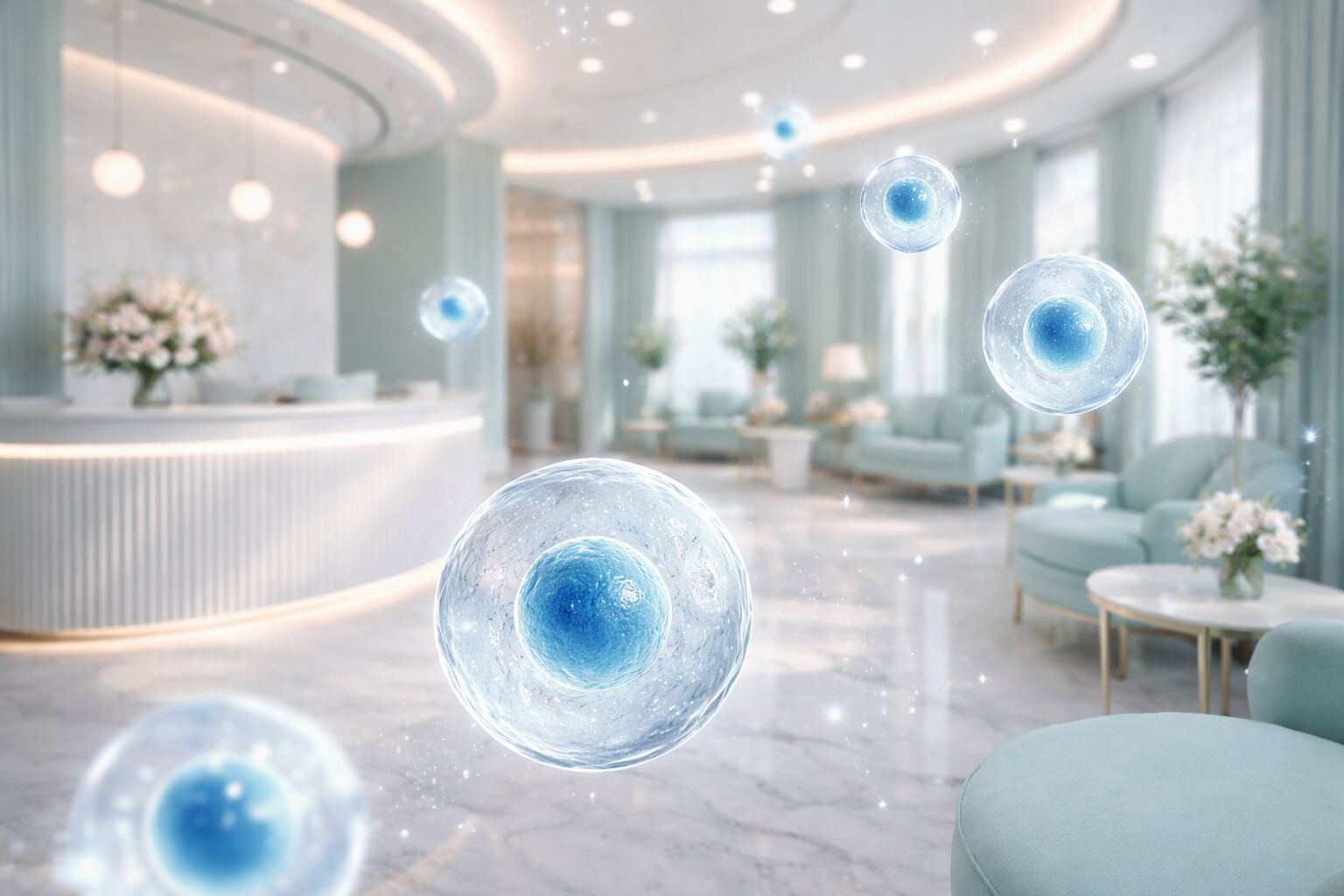
MSCs help rebalance immune responses by shifting overactive pro-inflammatory pathways toward protective, anti-inflammatory states — without suppressing the immune system entirely.
Advanced mesenchymal stem cell therapy using umbilical cord-derived MSCs — designed to support children with autism spectrum disorder through personalized, science-informed treatment protocols at Autism Stem Care.
Understanding Stem Cell Therapy
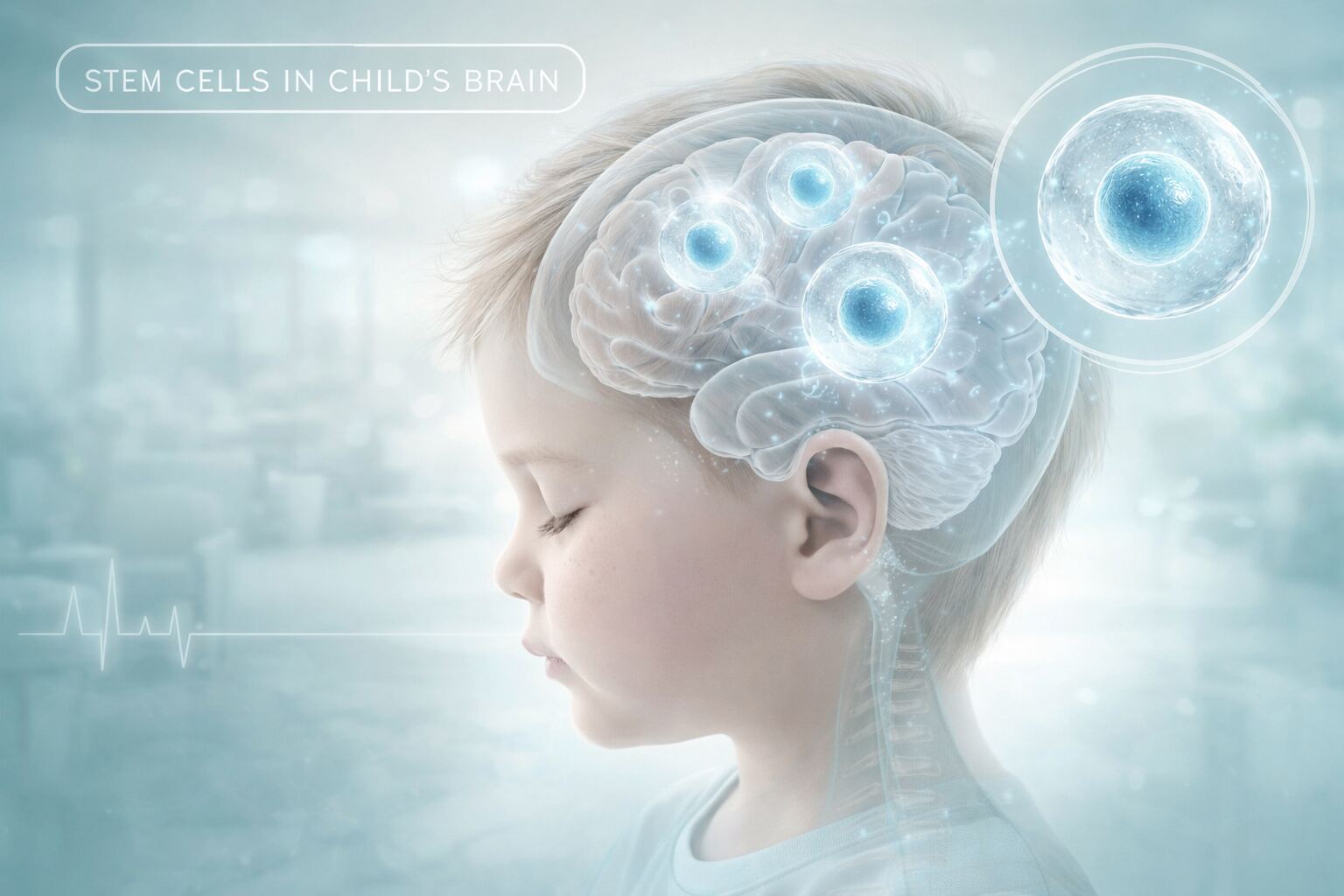
Stem cell therapy for autism is a regenerative medicine approach that uses mesenchymal stem cells (MSCs) — primarily derived from umbilical cord tissue and Wharton's Jelly — to provide biological support for children with autism spectrum disorder. MSCs are multipotent cells with powerful immunomodulatory, anti-inflammatory, and neuroprotective properties that make them uniquely relevant to the biological challenges observed in many children on the autism spectrum.
In autism, a growing body of research has identified biological disruptions including chronic neuroinflammation, immune system dysregulation, oxidative stress, mitochondrial dysfunction, and gut-brain axis dysfunction. These interconnected biological challenges represent areas where the signaling, immunomodulatory, and tissue-supportive properties of mesenchymal stem cells may offer meaningful biological support.
At Autism Stem Care in Istanbul, Turkey, stem cell therapy is administered as part of carefully designed, individualized treatment protocols. Our approach is science-informed and medically responsible — focused on supporting the biological environment rather than making curative promises. Every protocol is tailored to each child's unique clinical profile, developmental history, and family goals following a comprehensive medical review.
Clinical Definition
Stem cell therapy for autism involves the administration of mesenchymal stem cells derived from umbilical cord tissue — specifically from Wharton's Jelly, the gelatinous connective tissue within the umbilical cord. These cells are expanded in GMP-certified laboratories, rigorously tested for quality and safety, and administered through carefully selected routes based on each child's clinical profile.
The therapeutic rationale rests on the understanding that MSCs exert their benefits primarily through paracrine signaling — the release of bioactive molecules including cytokines, growth factors, and exosomes that influence surrounding cells and tissues. This mechanism allows MSCs to modulate immune responses, reduce inflammatory activity, support neural repair processes, and promote a more favorable biological environment for development.
Families explore stem cell therapy abroad — and specifically in Istanbul, Turkey — because it represents an advanced treatment approach that may not be widely accessible in their home countries. Turkey's world-class medical infrastructure, combined with Autism Stem Care's specialized focus on autism and regenerative medicine, offers international families access to protocols that integrate the latest developments in MSC-based regenerative science with comprehensive patient support.
Treatment planning at Autism Stem Care is always individualized. Our medical team evaluates each child's developmental history, symptom patterns, laboratory results, and family goals to design a protocol that addresses their specific biological and clinical needs — not a standardized, one-size-fits-all program. This personalized treatment planning process is central to our approach.
Our team can help you understand whether MSC therapy may be appropriate based on your child's clinical profile.
Mechanisms of Action
MSCs exert their therapeutic effects through multiple complementary biological pathways. Understanding these mechanisms helps families appreciate why stem cell therapy is explored as part of regenerative medicine for autism.
MSCs help rebalance immune responses by shifting overactive pro-inflammatory pathways toward protective, anti-inflammatory states — without suppressing the immune system entirely.
Through paracrine activity, MSCs release concentrated anti-inflammatory cytokines and growth factors that may help reduce chronic neuroinflammation associated with autism.
Rather than replacing damaged cells directly, MSCs exert much of their benefit through secreted factors — including exosomes, cytokines, and neurotrophic molecules — that influence surrounding tissues.
MSCs produce neurotrophic factors such as BDNF, GDNF, and NGF that may support neural survival, connectivity, and repair processes critical for neurodevelopment.
MSCs promote regenerative pathways that aim to support tissue integrity — including gut barrier function, neural tissue repair, and vascular stability — through targeted molecular signaling.
MSCs support regulatory T-cell populations and modulate natural killer cell activity, helping to restore the delicate balance between immune activation and immune tolerance.
MSCs release antioxidant factors that may help counteract the oxidative stress and mitochondrial dysfunction observed in many children with autism spectrum disorder.
Autism-Specific Relevance
The rationale for exploring mesenchymal stem cell therapy in autism care stems from the convergence of several biological themes that are consistently documented in autism research. These themes represent areas where MSCs' biological properties may be particularly relevant.
Chronic inflammation within the brain and central nervous system — driven by persistent microglial activation — is one of the most consistently documented findings in autism research. MSCs have demonstrated powerful anti-inflammatory effects and may help modulate overactive neuroinflammatory processes, potentially creating a more favorable environment for neural development and repair. Our regenerative support for neuroinflammation protocols specifically address this biological dimension.
Many children with autism show signs of immune system imbalance, including elevated pro-inflammatory cytokines, abnormal natural killer cell activity, and autoimmune-like responses. Unlike immunosuppressive medications, MSCs act as natural immunomodulators — they do not simply suppress the immune system but help restore balance between pro-inflammatory and anti-inflammatory pathways.
The bidirectional communication between the gut and brain is frequently disrupted in children with autism, contributing to both gastrointestinal symptoms and neurological challenges. MSCs may help restore gut barrier integrity, modulate local immune responses in the intestinal lining, and support the gut-brain signaling pathways that influence mood, behavior, and cognition. Our gut-brain axis support programs integrate this understanding into treatment planning.
Oxidative stress and mitochondrial dysfunction are frequently observed in autism, impairing cellular energy production and contributing to tissue damage. MSCs release antioxidant factors and may support mitochondrial function, helping to reduce the oxidative burden that affects neural and systemic health.
Beyond specific pathological mechanisms, MSCs may support the broader biological signaling environment that influences developmental progress. Through their production of neurotrophic factors, growth signals, and regulatory molecules, MSCs may help create conditions more conducive to neural connectivity, synaptic development, and adaptive functioning.
Cell Sources
At Autism Stem Care, we use mesenchymal stem cells derived from ethically sourced umbilical cord tissue. Understanding the different cell sources helps families make informed decisions during the treatment planning process.
Mesenchymal stem cells harvested from donated umbilical cord tissue after healthy, full-term births. UC-MSCs are expanded in GMP-certified laboratories, tested for quality, potency, and safety, and are among the most studied cell types for neurological and inflammatory conditions.
Learn about UC-MSC therapyWharton's Jelly — the gelatinous connective tissue within the umbilical cord — is considered the gold standard source for MSCs. These cells are young, highly proliferative, strongly immunomodulatory, ethically sourced, and do not require donor matching.
Learn about Wharton's Jelly MSCsOur treatment protocols integrate MSCs with complementary approaches — including exosome therapy, supportive IV therapies, and structured follow-up — to create comprehensive, multi-layered programs tailored to each child's biological profile and treatment goals.
Learn about treatment planningAdministration Routes
The route of administration is selected based on each child's clinical profile and treatment goals. Our medical team determines the optimal approach — or combination of approaches — during the treatment planning process.
IV stem cell therapy delivers MSCs directly into the bloodstream through a peripheral vein, allowing systemic distribution throughout the body. This route is particularly relevant for addressing systemic inflammation, immune dysregulation, gut-related issues, and overall inflammatory burden. The procedure is similar to a standard IV drip and is well tolerated.
Learn about IV stem cell therapyIntrathecal administration delivers stem cells directly into the cerebrospinal fluid through a lumbar puncture, providing more direct access to the central nervous system. This route may be preferred when the primary treatment targets involve neuroinflammation, neural connectivity, or CNS-related symptoms. It allows MSCs to reach brain and spinal cord tissues more efficiently.
Learn about intrathecal deliveryMany treatment plans at Autism Stem Care combine both IV and intrathecal routes — and may also incorporate exosome therapy via intravenous or intranasal delivery — for comprehensive biological coverage. Combined protocols aim to address both systemic and CNS-targeted goals within a single treatment visit.
Learn about combined protocolsFor a detailed comparison of administration routes, see our article: IV vs Intrathecal Stem Cell Therapy Explained.
Patient Evaluation
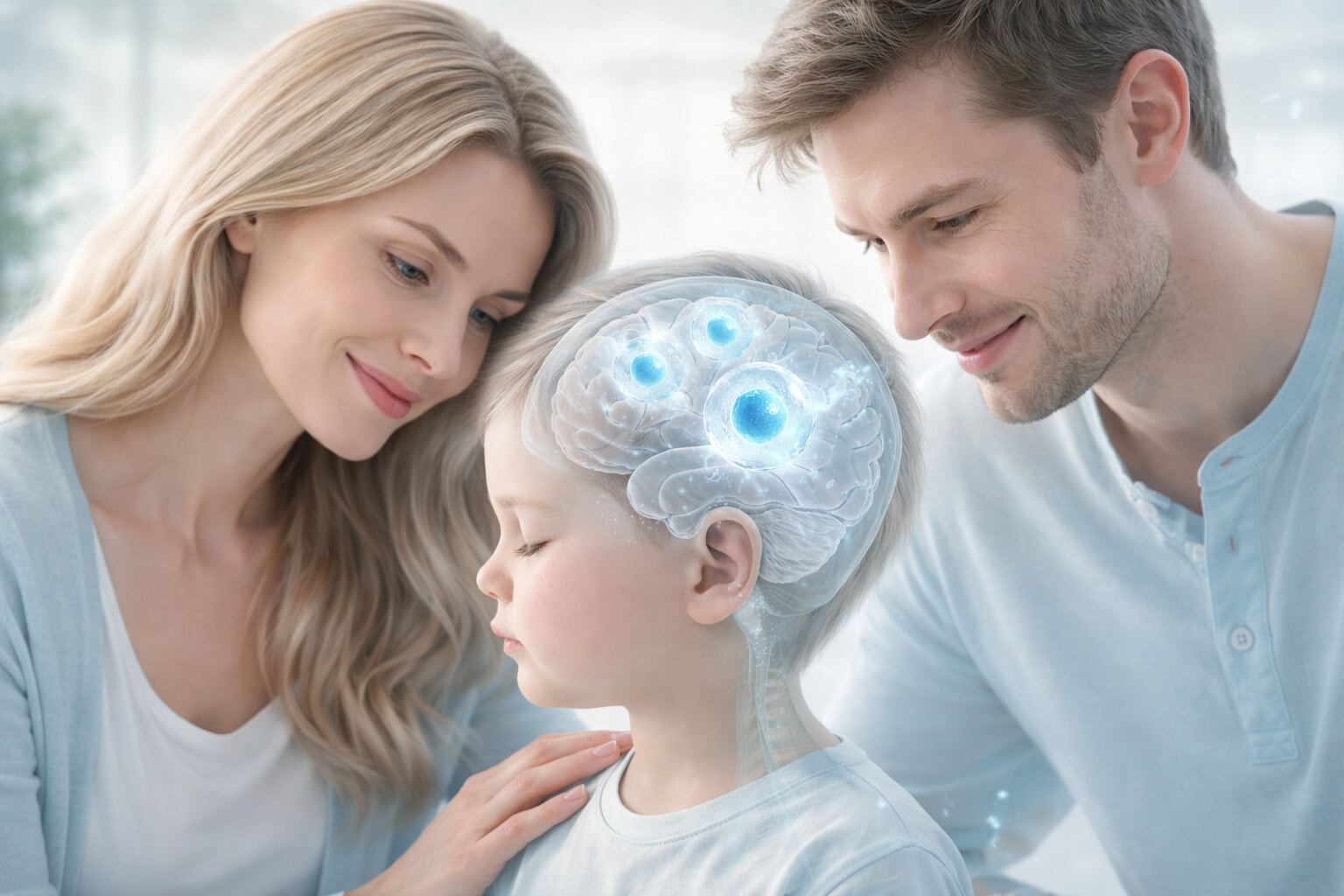
Stem cell therapy is not appropriate for every child, and candidacy is always determined through careful medical evaluation. At Autism Stem Care, we consider each child individually based on their medical history, symptom profile, laboratory findings, and family goals. Our treatment planning process is designed to ensure that every recommendation is medically justified and aligned with the child's specific needs.
Families who may benefit from an evaluation typically include:
To learn more about what the evaluation and consultation process involves, visit our how consultations work page or explore the patient journey overview.
Our medical coordination team reviews every case individually. Request a free consultation to discuss whether stem cell therapy may be appropriate for your child's needs.
Istanbul, Turkey
Autism Stem Care in Istanbul combines specialized medical expertise with comprehensive international family support — offering a treatment experience specifically designed for families traveling from abroad for autism regenerative medicine.
Every child receives an individualized medical evaluation. Treatment protocols are tailored to each child's biological profile, developmental history, and family goals — never standardized.
From visa guidance and flight planning to airport transfers and accommodation recommendations, our team handles logistics so families can focus entirely on their child's care.
We communicate in clear, parent-friendly language. Every step is explained transparently, and families are supported with honest, realistic guidance throughout the process.
Our personalized treatment planning process integrates medical records review, laboratory analysis, and clinical assessment to design protocols with clear therapeutic rationale.
Structured follow-up monitoring continues after families return home. Our team provides ongoing guidance, answers questions, and supports families through the post-treatment period.
All stem cells and biological products are sourced from GMP-certified laboratories with full documentation, testing for viability, potency, sterility, and complete donor-to-patient traceability.
Explore why Istanbul is a leading destination for autism regenerative medicine, or learn about our international patient services.
Patient Pathway
From initial inquiry to structured follow-up, our team supports families at every stage. Here is what the typical patient journey looks like for international families.
Step 1
Families reach out through our consultation form or WhatsApp. Our coordination team responds promptly to discuss your child's situation and provide initial guidance.
Step 2
Our medical team conducts a comprehensive review of your child's history, developmental assessments, laboratory results, and prior treatments to establish a clinical baseline.
Step 3
Based on the review, our team proposes a tailored treatment plan including specific cell sources, administration routes, and protocol duration designed for your child's unique needs.
Step 4
Our international coordination team assists with visa guidance, flight recommendations, accommodation options, and airport transfer arrangements to ensure a smooth arrival in Turkey.
Step 5
Upon arrival in Istanbul, your child undergoes a thorough in-person medical evaluation to confirm the treatment plan and make any necessary adjustments before beginning therapy.
Step 6
Treatment is delivered according to the personalized protocol — which may include IV MSC therapy, intrathecal administration, exosome therapy, and supportive interventions over multiple sessions.
Step 7
Before departure, families receive detailed aftercare instructions, monitoring schedules, and access to our team for ongoing questions and structured follow-up consultations.
Therapeutic Goals
MSC therapy is designed to support — not guarantee — biological processes that may be disrupted in autism. Treatment goals are discussed transparently during the consultation process.
Supporting the body's ability to regulate inflammatory responses, particularly in the central nervous system where chronic neuroinflammation may affect development.
Learn about neuroinflammation in autismHelping to rebalance dysregulated immune pathways — including overactive pro-inflammatory cascades — without suppressing the immune system's protective functions.
Learn about immune dysregulation in autismSupporting the paracrine and trophic signaling environment that influences neural connectivity, synaptic development, and adaptive functioning.
Learn about developmental supportAddressing the bidirectional communication between the gut and brain — including gut barrier integrity, microbiome balance, and enteric immune modulation.
Learn about gut inflammation in autismSupporting the body's antioxidant defenses and mitochondrial function to help counteract the oxidative burden observed in many children with autism.
Learn about oxidative stress in autismIntegrating MSC therapy within broader, personalized treatment plans that may include exosome therapy, supportive IV therapies, and structured follow-up monitoring.
Learn about personalized treatment planningSafety & Expectations
Patient safety is our absolute priority. All biological products used in treatment are sourced from GMP-certified laboratories with comprehensive documentation, testing, and traceability. Our medical team follows rigorous clinical protocols and monitors patients throughout the treatment process.
We believe that families deserve complete transparency. Regenerative medicine responses are highly individual — not every child responds the same way, and outcomes cannot be guaranteed. Treatment planning requires thorough medical review, and candidacy depends on individual clinical history and considerations.
We discuss all potential benefits, limitations, and realistic timelines openly during the consultation process. Families are encouraged to ask questions, request clarification, and take the time they need to make informed decisions. Our goal is to ensure that every family feels confident, well-informed, and supported — regardless of whether they ultimately choose to proceed with treatment.
For more information about safety considerations, visit our safety and eligibility page or read our article on the safety profile of stem cell therapy.
Treatment Comparison
Understanding the differences and complementary roles of each treatment modality helps families and medical teams make informed planning decisions.
| Stem Cell Therapy | Exosome Therapy | Combined Protocols | |
|---|---|---|---|
| Biologic Nature | Living mesenchymal stem cells with sustained paracrine activity | Cell-free extracellular vesicles (30–150 nm) | Both living cells and cell-free vesicles |
| Therapeutic Rationale | Sustained immunomodulation, potential tissue engraftment, long-term paracrine effects | Concentrated molecular signaling for rapid, targeted effects | Layered approach combining immediate signaling with sustained cellular activity |
| Administration Routes | Intravenous and/or intrathecal delivery | Intravenous and/or intranasal delivery | Multiple routes for comprehensive coverage |
| Role in Planning | Core regenerative foundation of treatment protocols | Complementary or standalone component | Comprehensive multi-layered protocol for maximum coverage |
Biologic Nature
Stem Cell: Living mesenchymal stem cells with sustained paracrine activity
Exosome: Cell-free extracellular vesicles (30–150 nm)
Combined: Both living cells and cell-free vesicles
Therapeutic Rationale
Stem Cell: Sustained immunomodulation, potential tissue engraftment, long-term paracrine effects
Exosome: Concentrated molecular signaling for rapid, targeted effects
Combined: Layered approach combining immediate signaling with sustained cellular activity
Administration Routes
Stem Cell: Intravenous and/or intrathecal delivery
Exosome: Intravenous and/or intranasal delivery
Combined: Multiple routes for comprehensive coverage
Role in Planning
Stem Cell: Core regenerative foundation of treatment protocols
Exosome: Complementary or standalone component
Combined: Comprehensive multi-layered protocol for maximum coverage
Learn more about exosome therapy or explore combined stem cell and exosome protocols.
Frequently Asked Questions
We answer the questions families most often ask when exploring mesenchymal stem cell therapy for their child with autism.
Stem cell therapy for autism is a regenerative medicine approach that uses mesenchymal stem cells (MSCs) — typically derived from umbilical cord tissue or Wharton's Jelly — to support biological processes that may be disrupted in children with autism spectrum disorder. These include neuroinflammation, immune dysregulation, oxidative stress, and gut-brain axis dysfunction. At Autism Stem Care in Istanbul, MSC therapy is administered as part of individualized, medically supervised treatment protocols.
Mesenchymal stem cells are multipotent adult stem cells with powerful immunomodulatory, anti-inflammatory, and tissue-supportive properties. In regenerative medicine for autism, MSCs derived from umbilical cord tissue are preferred because they are young, biologically active, ethically sourced, and do not require donor matching. They exert their effects primarily through paracrine signaling — releasing bioactive molecules that influence surrounding cells and tissues.
Stem cells are living cells that can engraft in tissues and continue producing therapeutic factors over time. Exosomes are the nano-sized signaling vesicles that stem cells release — they carry concentrated biological messages but are cell-free. Both approaches are complementary, and many protocols at Autism Stem Care combine stem cell therapy with exosome therapy for a multi-layered regenerative strategy.
Istanbul offers world-class medical infrastructure, internationally trained physicians, and competitive pricing compared to Western Europe and North America. Autism Stem Care provides comprehensive international patient coordination — including medical records review, airport transfers, accommodation guidance, and structured follow-up — making Istanbul an accessible destination for families seeking advanced regenerative medicine for autism.
Intravenous (IV) administration delivers stem cells into the bloodstream for systemic distribution, reaching multiple organ systems including the gut and immune system. Intrathecal administration delivers stem cells directly into the cerebrospinal fluid, providing more direct access to the central nervous system. Many protocols combine both routes for comprehensive coverage. The optimal approach is determined during personalized treatment planning.
Wharton's Jelly is the gelatinous connective tissue within the umbilical cord that serves as a rich source of mesenchymal stem cells. MSCs from Wharton's Jelly are preferred in regenerative medicine because they are young, highly proliferative, strongly immunomodulatory, and ethically sourced from donated tissue that would otherwise be discarded after birth.
Umbilical cord mesenchymal stem cells (UC-MSCs) are stem cells harvested from the tissue of the umbilical cord after healthy, full-term births. These cells are expanded in GMP-certified laboratories, tested for quality and safety, and administered as part of personalized regenerative protocols. UC-MSCs are among the most studied cell types in regenerative medicine for neurological and inflammatory conditions.
Every treatment protocol at Autism Stem Care is individually designed. There is no one-size-fits-all approach. Our medical team evaluates each child's unique biological profile, symptom patterns, developmental history, and family objectives to create a tailored plan that addresses their specific needs.
A typical treatment visit lasts 5 to 7 days. The journey includes an initial inquiry and medical records review, personalized treatment planning, travel coordination to Istanbul, in-clinic evaluation, treatment administration over one or more sessions, and follow-up guidance before departure. Our international coordination team supports families at every stage.
Most treatment visits last between 5 and 7 days, depending on the specific protocol. This includes time for initial assessments, treatment sessions, observation, and discharge planning. Many families extend their stay to explore Istanbul's cultural attractions and family-friendly environment.
Parents are encouraged to gather their child's medical records, developmental assessments (speech, OT, psychology), laboratory results (if available), MRI or EEG reports, and a summary of current therapies and medications. This information helps our medical team conduct a thorough initial review and provide more accurate guidance during consultation.
Yes. At Autism Stem Care, MSC therapy is often integrated into comprehensive treatment plans that may also include exosome therapy, intrathecal and intravenous administration, supportive IV therapies, gut-brain axis support, and structured follow-up monitoring. The goal is to create a multi-layered protocol tailored to each child's needs.
All medical procedures carry some degree of risk. Mesenchymal stem cells from umbilical cord tissue have a favorable safety profile in published research, as they are immunologically privileged and do not require donor matching. Our medical team conducts thorough evaluations to ensure eligibility and monitors patients closely throughout the treatment process.
Treatment responses are highly individual and cannot be guaranteed. Some families report improvements in areas such as communication, attention, behavioral regulation, sleep quality, sensory processing, or gastrointestinal comfort in the weeks and months following treatment. Outcomes differ, and realistic expectations are discussed thoroughly during consultation.
Stem cell therapy is not a cure for autism. It is an advanced regenerative intervention designed to support the body's natural biological processes — including immune modulation, anti-inflammatory signaling, and cellular repair — that may be disrupted in children with ASD. Results vary by individual, and we always set transparent, honest expectations.
The cost of stem cell therapy for autism depends on the specific protocol — cell source (umbilical cord MSCs, Wharton's Jelly), number of doses, administration routes (IV, intrathecal or combined), whether exosome therapy is added, and the length of the treatment visit. Istanbul, Turkey is typically 50–70% more affordable than equivalent regenerative medicine protocols in the United States, United Kingdom, or Western Europe, without compromising on GMP-certified cell quality. Families receive a transparent, itemized personalized quote during the free consultation, before committing to anything.
There is no rigid universal age limit for stem cell therapy for autism, but most international protocols are designed for children aged roughly 2 to 18 years. Younger children often have greater neurodevelopmental plasticity, while older children and teenagers remain eligible when medically appropriate. At Autism Stem Care, every case is individually reviewed — eligibility depends on overall health, diagnostic profile, and safety screening rather than age alone.
There is no single official success rate for stem cell therapy in autism — outcomes are highly individual and depend on age, biology, baseline symptoms, and the protocol used. Published clinical research on umbilical cord mesenchymal stem cells for autism has reported encouraging signals in areas such as communication, behavior and inflammation, but it remains an investigational therapy worldwide. Families at Autism Stem Care receive realistic, transparent expectations rather than guaranteed outcomes.
Stem cell therapy for autism is offered in several countries — including Turkey, Panama, Mexico, the United States (in limited research contexts), and parts of Europe and Asia. Families increasingly choose Istanbul, Turkey because it combines internationally accredited clinics, GMP-certified cell products, English-speaking medical coordination, direct flight access from most of the world, and significantly more competitive pricing than the US, UK or Western Europe — while operating under formal medical oversight rather than purely commercial wellness frameworks.
Stem cell therapy for autism is not currently FDA approved as a routine treatment in the United States; it is considered investigational and is mainly available through registered clinical trials there. Outside the US, regulated regenerative medicine clinics — including specialized centers in Istanbul, Turkey — provide MSC and exosome protocols under their own national medical frameworks. Autism Stem Care discusses regulatory context honestly during consultation so families can make informed decisions.
We provide end-to-end coordination for international families including remote medical consultation, medical file review, visa guidance, airport transfers, accommodation recommendations, multilingual communication, and structured post-treatment follow-up. Our team is experienced in supporting families from over 40 countries.
Have more questions? Visit our comprehensive FAQ page or contact our team directly.
Explore Our Resources
International Families
Autism Stem Care has supported families from over 40 countries. We understand that traveling internationally for your child's medical care is a significant decision, and our team is designed to make the experience as structured and stress-free as possible.
Our international coordination services include remote consultation and medical file review before travel, visa and travel logistics guidance, airport transfers and accommodation recommendations, multilingual communication throughout the process, structured in-clinic scheduling and treatment delivery, and post-departure follow-up support.
For families considering treatment in Istanbul, we recommend starting with a free consultation — our team will review your child's case and provide personalized guidance before any travel commitment is made. You can also explore our international services page or learn about preparing for your visit.
Families from specific regions can explore our international locations hub for country-specific information about traveling to Istanbul for treatment.

Our coordination team can guide you through every step — from medical review to travel planning.
Request a free consultation with our medical coordination team. We review every case individually and provide personalized guidance — with no obligation.
Free medical review
Personalized guidance for your child