✦
Highest potency among MSC sources
Wharton's Jelly is widely recognized as one of the most potent sources of mesenchymal stem cells available, with higher regenerative capacity compared to adult-derived tissue sources.
Premium-quality stem cells from the most potent source of mesenchymal tissue
Wharton's Jelly is a gelatinous connective tissue found within the umbilical cord that serves as one of the richest and most pristine sources of mesenchymal stem cells available in regenerative medicine. Named after the 17th-century English physician Thomas Wharton, this tissue provides MSCs with exceptional potency, proliferative capacity, and therapeutic potential.
Tissue Source
Umbilical cord connective tissue
Clinical Positioning
Premium neonatal MSC source
Core Value
Potency, purity, and ethical sourcing

Source Profile
Neonatal mesenchymal tissue
Key Advantage
Potency and paracrine power
Parent Trust
Non-invasive ethical collection
Treatment Role
Premium source in advanced protocols
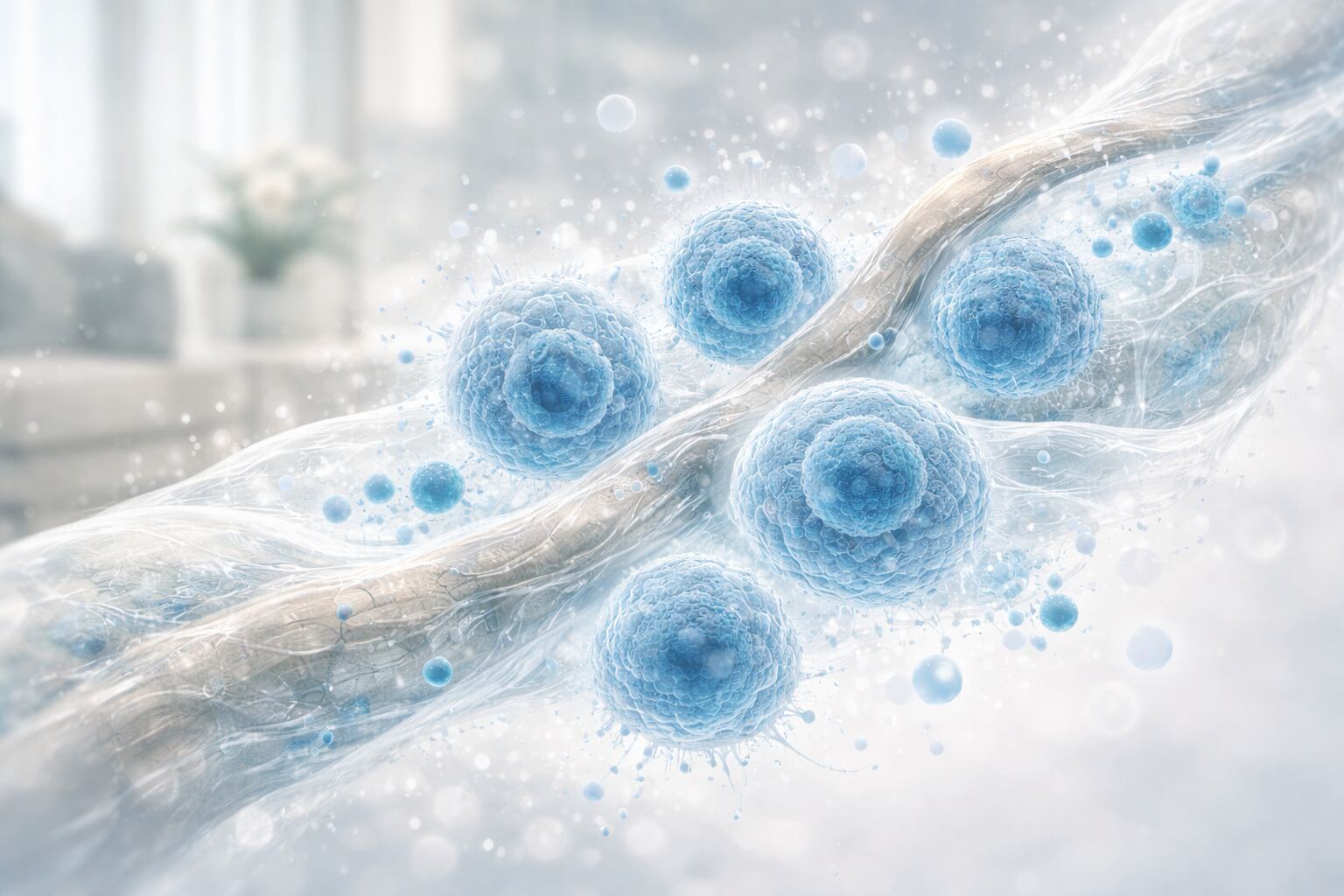
Discuss Wharton's Jelly MSC options and quality standards with our coordination team.
Clinical Overview
Wharton's Jelly is a gelatinous connective tissue found within the umbilical cord that serves as one of the richest and most pristine sources of mesenchymal stem cells available in regenerative medicine. Named after the 17th-century English physician Thomas Wharton, this tissue provides MSCs with exceptional potency, proliferative capacity, and therapeutic potential.
Understanding why the source of mesenchymal stem cells matters helps families make informed decisions about their child's treatment. Wharton's Jelly provides MSCs with exceptional properties that translate directly to more effective anti-inflammatory, immunomodulatory, and neuroprotective support.
It also naturally connects to related treatment areas including umbilical cord mesenchymal stem cells, exosome therapy, and combined stem cell and exosome protocols, while addressing condition areas like autism spectrum disorder and autism and neuroinflammation.
Key Advantages
Each advantage of Wharton's Jelly-derived MSCs contributes to more effective regenerative support for children with autism.
Wharton's Jelly is widely recognized as one of the most potent sources of mesenchymal stem cells available, with higher regenerative capacity compared to adult-derived tissue sources.
Collection happens from umbilical cord tissue that would otherwise be discarded after birth, with full informed consent and no risk to mother or baby.
WJ-MSCs demonstrate superior anti-inflammatory and immunomodulatory properties, which are especially relevant for addressing neuroinflammation and immune dysregulation in autism.
These cells offer robust signaling activity and higher proliferative potential, enabling more sustained therapeutic effects through paracrine factor release.
The collection process poses no risk to the mother or baby, and is conducted only with full informed consent from healthy, screened donors.
WJ-MSCs have favorable immunological characteristics, with low expression of HLA markers that reduce the risk of immune rejection in therapeutic applications.
Educational Content
Wharton's Jelly MSCs (WJ-MSCs) offer several advantages over stem cells derived from other sources. They are the youngest available MSCs, having been isolated from neonatal tissue rather than adult tissue. This means they have longer telomeres (associated with greater regenerative capacity), higher expression of pluripotency markers, superior anti-inflammatory cytokine secretion, greater paracrine potency per cell, and minimal risk of age-related cellular senescence. For children with autism, these properties translate to more potent anti-inflammatory, immunomodulatory, and neuroprotective effects per treatment.
Families want to understand why neonatal tissue matters — why Wharton's Jelly MSCs are younger, more potent, more proliferative, and more biologically active than adult-derived sources. These properties directly impact the quality of regenerative support.
This connects naturally to the broader MSC source page and into neuroinflammation-focused condition content.
Sourcing and Trust
WJ-MSCs are harvested from umbilical cord tissue that would otherwise be discarded after birth. The collection process is completely non-invasive, poses no risk to the mother or baby, and is conducted only with informed consent from healthy donors who have undergone comprehensive screening. This makes WJ-MSCs one of the most ethically sourced biological materials in medicine.
Collection poses no risk to the mother or baby, conducted only with full informed consent from healthy, comprehensively screened donors.
All donors provide informed consent, undergo comprehensive health screening, and meet strict eligibility criteria before any tissue is collected.
Wharton's Jelly tissue would otherwise be discarded after birth, making it one of the most ethically sourced biological materials in regenerative medicine.

Our medical coordination team can help you understand cell source quality and how it impacts treatment design.
Why Families Care
Understanding Wharton's Jelly goes beyond knowing it's a tissue source. It explains why the cells used in your child's treatment are younger, more potent, more proliferative, and more biologically active — translating regenerative biology into meaningful treatment advantages.
This understanding helps families connect the quality of cell sourcing to the quality of treatment outcomes, and explore how Wharton's Jelly MSCs fit within broader regenerative protocols.
Explore Related Treatments
Families exploring Wharton's Jelly as an MSC source often want to understand how it connects to our broader treatment options, including exosome therapy and combined protocols.
Related Treatments
Explore the treatment areas most closely connected to Wharton's Jelly-derived MSC therapy.
Related Treatment
Explore the broader MSC source page and see how Wharton's Jelly fits into the site’s premium regenerative treatment ecosystem.
Learn more →Related Treatment
Explore how cell-free exosome signaling therapy may complement Wharton's Jelly MSC treatment for enhanced regenerative support.
Learn more →Related Treatment
Discover how Wharton's Jelly MSCs and exosome therapy can be combined for a comprehensive dual-modality treatment approach.
Learn more →Related Conditions
Learn more about the specific conditions where Wharton's Jelly-derived MSCs may offer therapeutic support.
Related Condition
Visit the main autism condition page to see how this premium cell source connects to the site’s wider educational structure.
Learn more →Related Condition
Understand how neuroinflammation in autism makes the potent anti-inflammatory properties of Wharton's Jelly MSCs particularly relevant.
Learn more →Scientific Mechanism & Clinical Evidence
Mesenchymal stem cells isolated from Wharton's Jelly are studied for a primarily paracrine mode of action — meaning their therapeutic effect is believed to come less from cell engraftment and more from the bioactive molecules they release: cytokines, growth factors, and nano-scale extracellular vesicles (including exosomes). In the context of autism research, three biological axes receive the most attention.
None of this implies a cure, and outcomes vary between children. WJ-MSC therapy for autism remains an investigational regenerative medicine option rather than an approved standard treatment. What the published evidence does support is a strong rationale for studying these cells as a supportive intervention within a structured, individualized protocol — the framework Autism Stem Care follows.
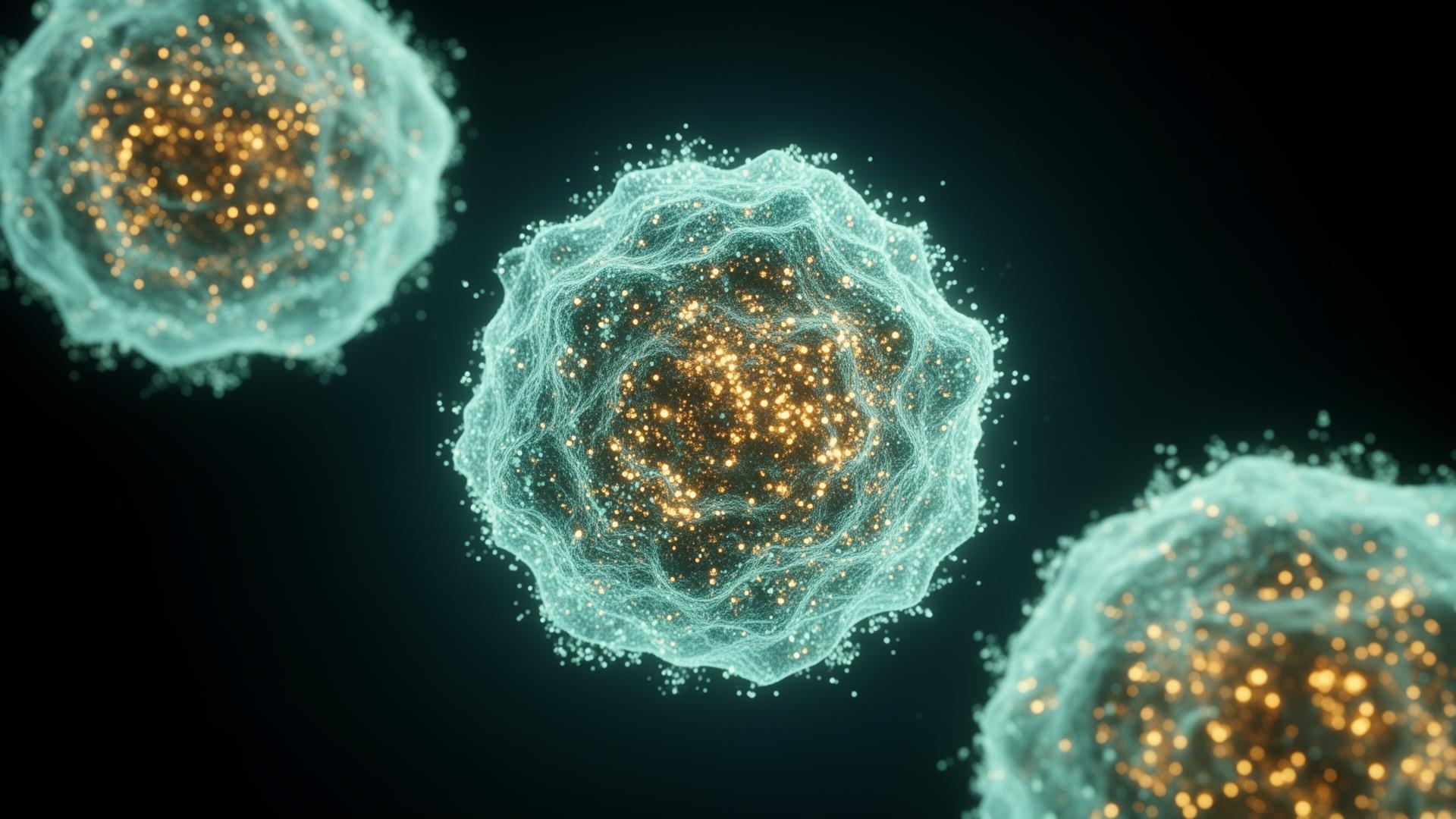
Paracrine signaling
Cytokines, growth factors, and exosomes released by WJ-MSCs.
Immunomodulation
Interaction with T-reg cells, macrophages, and microglia.
Cell identity
CD73⁺, CD90⁺, CD105⁺ / CD34⁻, CD45⁻ — verified per batch.
FAQ Section
Common questions from families exploring Wharton's Jelly as an MSC source for their child's treatment.
Cord blood contains hematopoietic (blood-forming) stem cells, while Wharton's Jelly contains mesenchymal stem cells (MSCs). MSCs from Wharton's Jelly have stronger immunomodulatory and anti-inflammatory properties, which are more relevant to addressing the biological factors associated with autism, such as neuroinflammation and immune dysregulation.
Wharton's Jelly MSCs are isolated from neonatal connective tissue rather than adult bone marrow or fat. They have longer telomeres, higher proliferative capacity, stronger paracrine signaling, and greater anti-inflammatory potency per cell than adult-derived MSCs. For children with autism — where the biological targets are inflammation, immune modulation, and neurological signaling — these qualities make them an especially relevant cell source.
Wharton's Jelly MSCs have an extensively documented safety profile in clinical research. They are immunologically privileged (low HLA expression) and have low tumorigenic risk in published data. At Autism Stem Care, every donor undergoes comprehensive infectious disease and genetic screening, and every batch is tested for sterility, viability, and identity before release. Safety also depends on careful patient selection — not every child is a candidate, and a medical review is mandatory.
They are collected from umbilical cord tissue donated after healthy, full-term births with full informed consent from the mother. The umbilical cord would otherwise be discarded as medical waste. There is no risk or pain to the mother or baby, and no embryonic or fetal tissue is involved at any stage.
The two most common routes are intravenous (IV) infusion for systemic immunomodulatory effect and intrathecal administration for more direct access to the central nervous system. The route, dose, and number of sessions are decided individually as part of the personalized treatment plan, based on the child's clinical profile and the goals of the protocol.
Within the autism spectrum, families most often ask about Wharton's Jelly MSCs in the context of neuroinflammation, immune dysregulation, gut–brain axis disturbance, oxidative stress, and challenges with attention, sleep, sensory regulation, or social engagement. These cells are not a cure — they may be considered as one component of a broader, individualized regenerative protocol.
Protocols vary by case. Many international families travel for a structured multi-day course that may include several MSC infusions combined with adjunctive therapies, and a follow-up review is typically scheduled at 3 and 6 months. The specific number of sessions is always determined after the medical review — we do not sell standardized 'packages' detached from clinical reasoning.
MSCs themselves are large cells and do not freely cross an intact blood–brain barrier. However, their therapeutic effects are believed to be primarily paracrine — meaning they release exosomes, cytokines, and growth factors that can influence the central nervous system indirectly. Intrathecal administration is sometimes considered when more direct CNS exposure is clinically appropriate.
Reported observations vary widely between children and are never guaranteed. Families most often describe gradual changes in sleep quality, gut comfort, attention, eye contact, sensory tolerance, and engagement during therapies. Some children show no significant change. Honest framing of expectations is a core part of our consultation and follow-up process.
Cells are processed in laboratories operating to GMP-aligned standards. Each batch is characterized for viability, surface marker expression (CD73, CD90, CD105 positive; CD34, CD45 negative), sterility, mycoplasma, and endotoxin levels. Documentation is reviewed before any product is approved for clinical use. Parents are welcome to ask for an explanation of the quality dossier during consultation.
Yes. Combined MSC + exosome protocols are one of the most commonly discussed approaches in autism-focused regenerative medicine. The rationale is that MSCs provide sustained living-cell signaling while exosomes deliver concentrated, ready-to-act extracellular vesicle cargo. Whether combination therapy is appropriate is decided individually as part of the personalized plan.
MSC-based regenerative therapy for autism is not approved as a standard treatment by agencies such as the FDA or EMA. It is an investigational/regenerative medicine option, and outcomes are not guaranteed. At Autism Stem Care it is offered within a regulated Turkish medical framework with full clinical oversight, but families should always understand the investigational nature before proceeding.
Get Started
Wharton's Jelly provides MSCs with exceptional potency, ethical sourcing, and strong anti-inflammatory properties — making it an ideal cell source for autism-focused regenerative protocols. Request a free consultation to discuss whether this approach may be appropriate for your child.
Free medical review
Personalized guidance for your child