Immunomodulatory potential
UC-MSCs are widely discussed for their ability to influence inflammatory signaling and immune balance in a supportive regenerative framework.
The gold standard in regenerative cell therapy for autism support
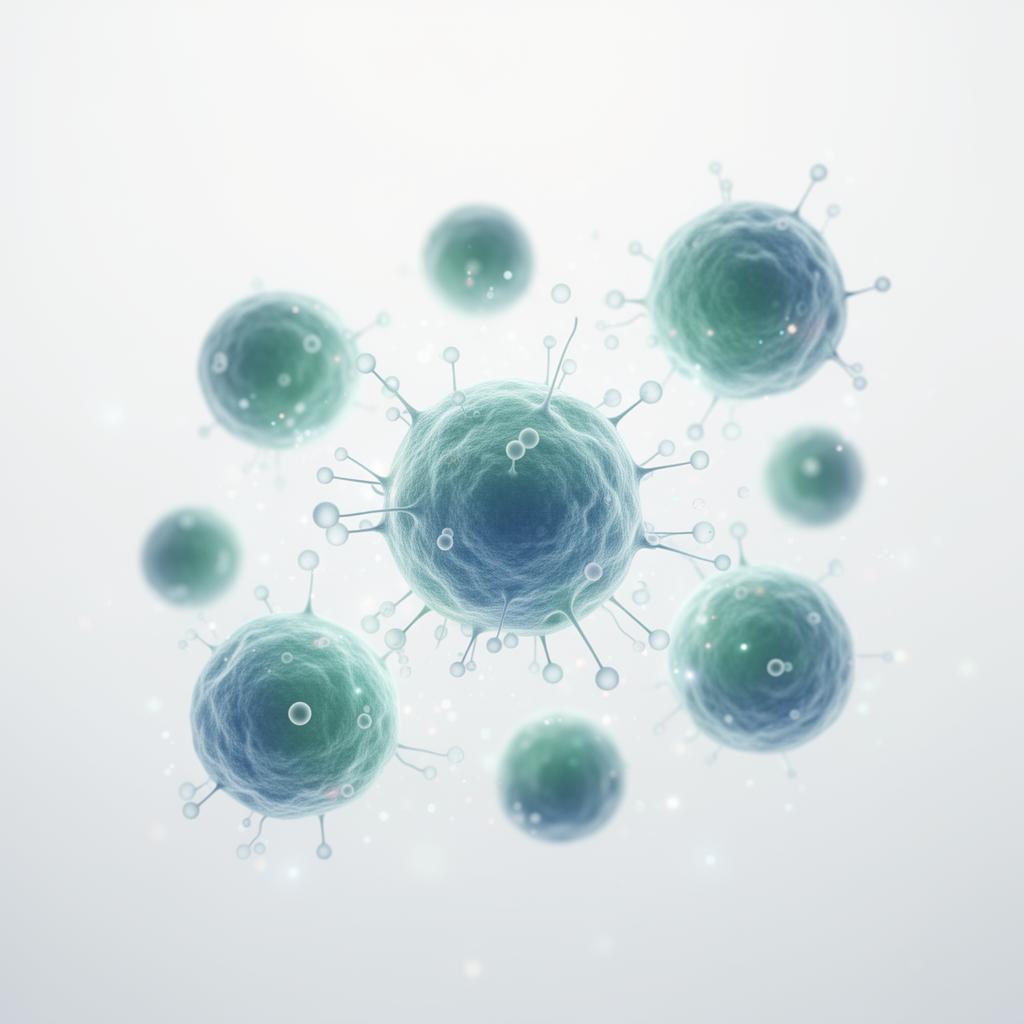
Umbilical cord-derived mesenchymal stem cells, often called UC-MSCs, represent one of the most promising tools in regenerative medicine for children with autism. These cells are ethically sourced, biologically active, and widely valued for their immunomodulatory and regenerative signaling profile.
At Autism Stem Care, UC-MSCs are a cornerstone of many personalized treatment protocols designed around neuroinflammation, immune dysregulation, oxidative stress, and gut-brain axis support.

UC-MSCs are widely discussed for their ability to influence inflammatory signaling and immune balance in a supportive regenerative framework.
Paracrine activity may help support a healthier neural environment through growth factors, cytokines, and extracellular vesicle communication.
Many autism-focused regenerative strategies also consider gut function, barrier integrity, and systemic inflammation when building treatment plans.
Delivery method, dose, and protocol structure should be tailored around age, symptoms, goals, and broader medical context.
Umbilical cord-derived cells are commonly valued for biological youth, higher proliferative potential, and strong regenerative signaling characteristics.
UC-MSCs are often described as immunologically privileged, which contributes to their clinical interest in broader treatment use cases.
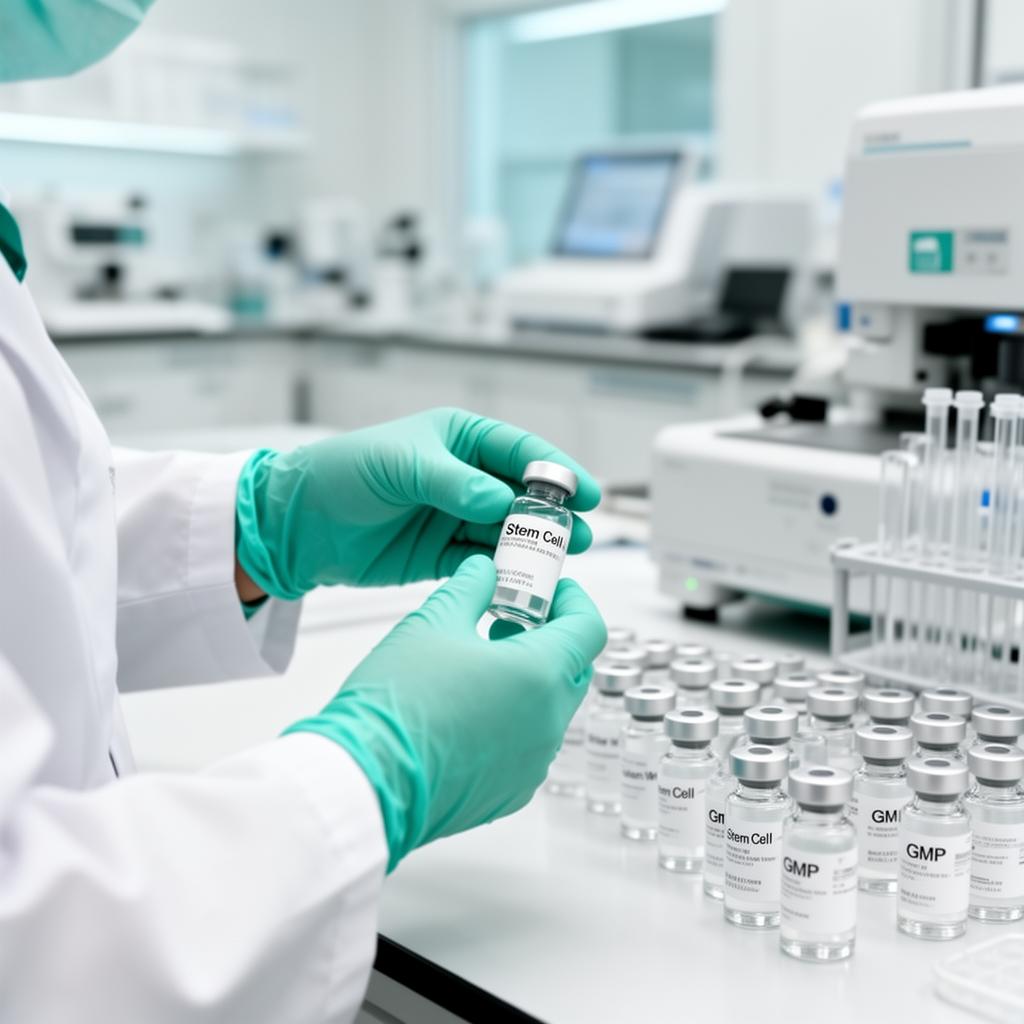
All UC-MSCs are sourced from GMP-certified facilities with comprehensive safety documentation, batch-level testing, and full traceability.
UC-MSCs serve as a foundational element in many of our personalized autism treatment protocols, complementing exosome therapy and supportive IV approaches.
Foundational Overview
Mesenchymal stem cells, or MSCs, are multipotent cells known not only for differentiation potential, but even more for their paracrine effects. Paracrine signaling refers to the release of bioactive molecules, including anti-inflammatory cytokines, growth factors, and extracellular vesicles, that influence the behavior of surrounding cells without the MSCs necessarily becoming permanent tissue components themselves.
UC-MSCs derived from umbilical cord tissue, especially from Wharton's Jelly, are widely regarded as one of the youngest and most potent MSC sources. Compared with older adult-derived cell sources, they are often discussed for higher proliferative capacity, stronger immunomodulatory behavior, and more robust secretion of neuro-supportive and anti-inflammatory factors.
Clinical Significance
Many children with autism exhibit overlapping biological patterns involving neuroinflammation, immune dysregulation, oxidative stress, mitochondrial dysfunction, and gut-brain axis imbalance. UC-MSCs are relevant because their signaling profile may help support immune balance, inflammatory regulation, neural environment support, and broader tissue recovery pathways.
This makes UC-MSCs a natural cornerstone for individualized treatment protocols designed to address the specific biological factors driving each child's presentation.
Biological Relevance
The therapeutic potential of UC-MSCs in autism is often linked to their ability to modulate immune responses, reduce chronic inflammation, support neuroplasticity, influence oxidative stress pathways, and contribute to gut-brain axis support.
These mechanisms are highly relevant because many children with autism exhibit overlapping biological patterns involving inflammation, immune imbalance, gut dysfunction, or neural stress. That is why UC-MSCs are often positioned as a central part of comprehensive and individualized treatment design.
Quality Standards
At Autism Stem Care, treatment quality, laboratory standards, and traceability are essential topics for families researching regenerative medicine. UC-MSCs should be sourced through accredited GMP-oriented laboratories with strict protocols for sterility, viability, potency, and safety testing.
A serious treatment page should make safety visible. That means explaining donor screening, infectious disease testing, quality-control procedures, and the importance of consistent handling and documentation.
Delivery Options
UC-MSCs may be administered through intravenous infusion, intrathecal administration, or combination protocols depending on the child's clinical profile, treatment goals, and the biological targets the protocol is intended to address.
Related Conditions
UC-MSC therapy is particularly relevant for children with autism presentations involving these overlapping biological factors.
Learn about autism spectrum disorder and the biological factors that inform MSC treatment approaches.
Understand how neuroinflammatory pathways in autism may be addressed through MSC immunomodulatory properties.
Learn about immune dysregulation in autism and how MSC therapy may support immune system balance.
Related Treatments
Related Treatment
Learn about Wharton's Jelly — the specific umbilical cord tissue from which our MSCs are harvested.
Read more →Related Treatment
Understand how intravenous MSC delivery enables systemic distribution for whole-body anti-inflammatory support.
Read more →Related Treatment
Learn how intrathecal administration delivers MSCs directly into the cerebrospinal fluid for targeted neurological support.
Read more →Frequently Asked Questions
Answers to frequently asked questions from families researching umbilical cord mesenchymal stem cells for their child.
Our UC-MSCs are derived from umbilical cord tissue, specifically Wharton's Jelly, donated by healthy mothers following planned deliveries. All donors undergo comprehensive infectious-disease and genetic screening, and all tissue is processed in GMP-aligned facilities.
UC-MSCs have a favorable safety profile in regenerative medicine and are valued for their low immunogenic nature. Suitability should always be assessed individually by the treating medical team, considering the child's medical history, medications, and overall clinical picture.
Cell dosing is personalized based on the child's weight, age, clinical profile, and treatment goals. The final treatment plan is determined after the medical review — we do not publish a fixed dose detached from clinical reasoning.
UC-MSCs are widely discussed for their immunomodulatory, anti-inflammatory, neuro-supportive, and paracrine signaling properties, which may be relevant in children with neuroinflammation, immune dysregulation, gut dysfunction, and oxidative stress.
Depending on the treatment strategy, UC-MSCs may be delivered intravenously, intrathecally, or in combination approaches selected according to clinical goals and the child's medical eligibility.
Wharton's Jelly is the gelatinous connective tissue inside the umbilical cord. It is one of the richest, most pristine sources of mesenchymal stem cells within the cord — so Wharton's Jelly MSCs are a specific, premium subset of umbilical-cord-derived MSCs. Both terms describe neonatal tissue-derived cells with strong paracrine activity.
Yes. Umbilical cord tissue is collected only with full informed consent from the mother, after a healthy delivery, from tissue that would otherwise be discarded. No embryonic or fetal tissue is involved at any stage, and no risk or pain is caused to mother or baby.
Each batch is characterized for viability, identity markers (CD73⁺, CD90⁺, CD105⁺ / CD34⁻, CD45⁻), sterility, mycoplasma, and endotoxin. Documentation is reviewed before any product is approved for clinical use, and parents are welcome to request an explanation of the quality dossier during consultation.
Intact MSCs are large cells and do not freely cross an intact blood–brain barrier. Their effect on the central nervous system is believed to be primarily paracrine — through released exosomes, cytokines, and growth factors. Intrathecal administration is sometimes considered when more direct CNS exposure is clinically appropriate.
Protocols vary. International families often travel for a structured multi-day course that may include several MSC infusions and adjunctive therapies, with follow-up reviews typically at 3 and 6 months. Specific session counts are determined after the medical review.
No. MSC-based regenerative therapy for autism is not approved as a standard treatment by agencies such as the FDA or EMA. It is an investigational regenerative medicine option, offered at Autism Stem Care within a regulated Turkish medical framework with full clinical oversight.
Yes. Combined MSC + exosome protocols are one of the most commonly discussed approaches in autism-focused regenerative medicine. MSCs provide sustained living-cell signaling while exosomes deliver concentrated extracellular vesicle cargo. Whether to combine them is a clinical decision, not a marketing one.
Get Started
Understanding whether UC-MSC therapy may be appropriate for your child starts with a thorough review of their medical history, developmental profile, and treatment goals.
Our medical coordination team provides clear, transparent guidance — there is never any pressure to proceed, and every family receives an individualized assessment.
Take the Next Step
Our medical coordination team is available to discuss your child's case, explain our treatment approach, and help you understand whether UC-MSC therapy may be an appropriate option.
Free medical review
Personalized guidance for your child