Exosome Therapy for Autism: Cell-Free Regenerative Medicine in Istanbul
Exosome therapy is an advanced, cell-free regenerative medicine approach that uses extracellular vesicles — the concentrated signaling molecules naturally released by mesenchymal stem cells — to support biological processes that may be disrupted in children on the autism spectrum. Unlike whole-cell stem cell therapy, exosomes deliver targeted molecular signals without administering living cells — and can cross the blood-brain barrier.
Our Istanbul clinic offers individualized exosome protocols as part of a comprehensive, medically reviewed treatment planning process. Every case is evaluated carefully, and every family receives transparent, evidence-informed guidance.

What Is Exosome Therapy for Autism?
Exosome therapy for autism uses extracellular vesicles — nanoscale membrane-bound particles derived from mesenchymal stem cells — to deliver concentrated bioactive signaling molecules to target tissues. These vesicles carry growth factors, anti-inflammatory cytokines, microRNAs, and regulatory proteins that can influence neuroinflammatory pathways, immune regulation, and cellular communication processes relevant to autism spectrum disorder. It is a cell-free, investigational approach — distinct from whole-cell stem cell therapy — being explored by families worldwide as part of a broader regenerative medicine strategy.
How Exosome Therapy Works: Extracellular Vesicles and Cell-Free Regenerative Signaling
Exosomes are nanoscale extracellular vesicles (typically 30–150 nanometers in diameter) naturally released by cells throughout the body, including mesenchymal stem cells. They function as intercellular messengers, carrying a concentrated cargo of bioactive molecules — growth factors, cytokines, microRNAs, messenger RNAs, and regulatory proteins — from one cell to another. This molecular cargo can reprogram recipient cell behavior, modulate immune responses, reduce inflammatory signaling, and support tissue repair processes.
In regenerative medicine for autism, exosome therapy delivers these powerful signaling molecules directly — without administering the living cells that produce them. This cell-free approach offers several distinctive characteristics: exosomes are non-replicating, non-tumorigenic, and — critically — can cross the blood-brain barrier to reach neural tissues that may be difficult to access through other therapeutic routes.
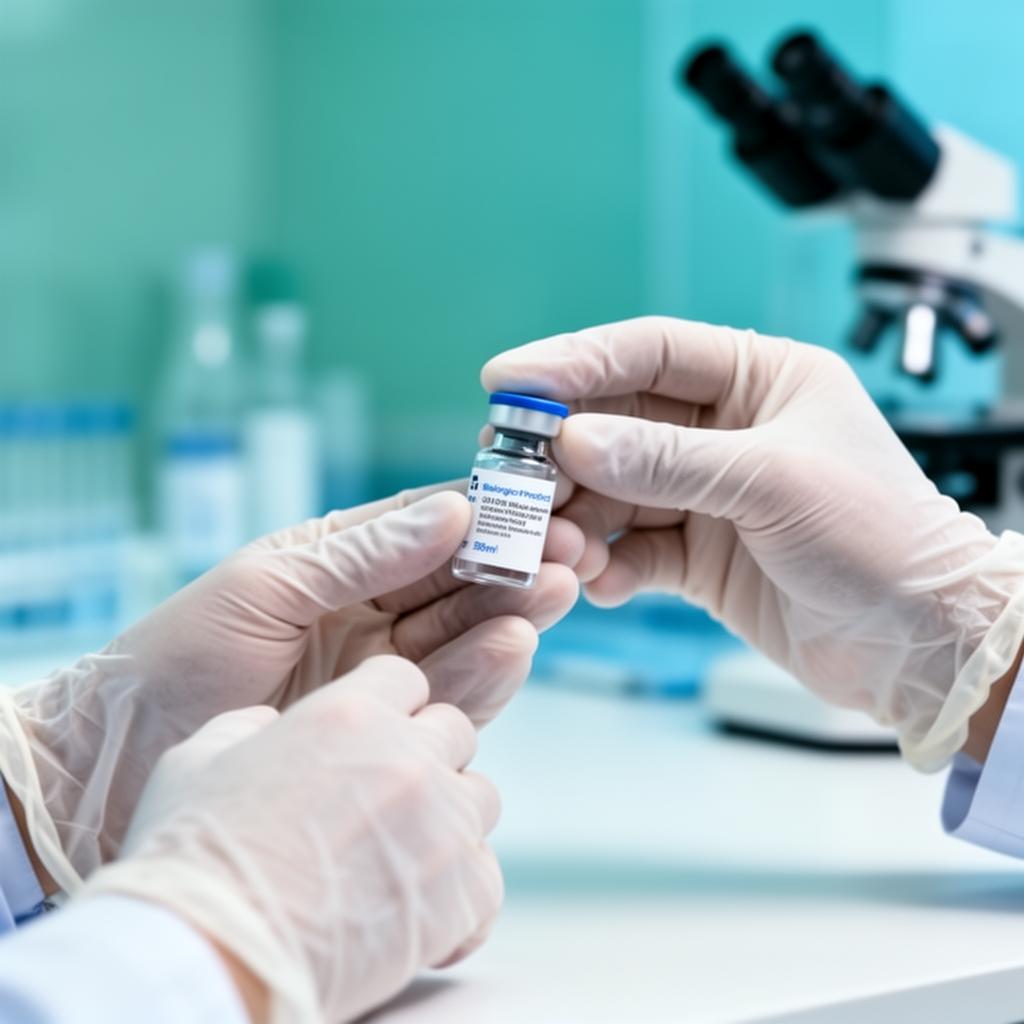
All exosome products undergo rigorous characterization including nanoparticle tracking analysis, protein quantification, sterility testing, and endotoxin screening before clinical use.
Exosome therapy for autism is investigational. While preclinical research and early clinical observations have shown promising signals in neuroinflammatory modulation, immune rebalancing, and cellular communication support, large-scale controlled studies are still underway. We present the current state of evidence transparently — including both what is promising and what remains under investigation — so families can make fully informed decisions.
How Exosome Therapy Differs From Stem Cell Therapy for Autism
Understanding the distinction between mesenchymal stem cell therapy and exosome therapy is essential for families evaluating their child's treatment options. Both approaches have therapeutic potential, but they work through different mechanisms and have different biological profiles.
- Administers living mesenchymal stem cells
- Cells can engraft, replicate, and interact with tissues
- Sustained paracrine factor release over time
- Extensive immunomodulatory research base
- Multiple administration routes (IV, intrathecal)
Exosome Therapy (Cell-Free)
- Delivers cell-free extracellular vesicles
- Non-replicating, non-tumorigenic profile
- Concentrated bioactive molecular cargo
- Efficient blood-brain barrier crossing
- Often combined with MSC therapy
Many of our treatment protocols integrate both approaches as combined stem cell and exosome protocols. Our medical team evaluates each child's case individually to determine the most appropriate strategy during the consultation process.
Biological Mechanisms: How Exosomes May Support Children With Autism
The therapeutic potential of exosomes in autism-related applications centers on their ability to deliver targeted molecular signals to cells and tissues throughout the body — including the central nervous system. The following mechanisms represent the primary areas of scientific investigation:
Neuroinflammatory Modulation via Vesicle-Mediated Signaling
MSC-derived exosomes carry concentrated anti-inflammatory cargo — including specific cytokines, microRNAs (such as miR-146a and miR-21), and regulatory proteins — that can influence neuroinflammatory pathways in the central nervous system. Research suggests that chronic neuroinflammation may be a contributing factor in some presentations of autism, and exosome-mediated signaling may help support a more balanced inflammatory environment without broad immunosuppression.
Immune System Rebalancing Through Natural Signaling Pathways
The immunomodulatory molecular cargo carried by MSC-derived exosomes can interact with immune cells throughout the body — T cells, B cells, macrophages, and dendritic cells — supporting the recalibration of immune responses that may be dysregulated in some children on the autism spectrum. Unlike immunosuppressive medications, exosome-mediated immune modulation works through the body's own regulatory signaling pathways.
Blood-Brain Barrier Crossing: Targeted Neural Access
One of the most distinctive characteristics of exosomes is their ability to cross biological barriers, including the blood-brain barrier (BBB). This property means that exosome-carried signaling molecules can reach neural tissues more efficiently than many conventional therapeutic approaches — potentially supporting cellular processes within the central nervous system that are directly relevant to neurodevelopmental conditions including autism.
Gut-Brain Axis Communication and Gastrointestinal Support
Exosomes play a natural role in intercellular communication along the gut-brain axis — the bidirectional signaling network connecting the gastrointestinal system and the brain. For children who experience both gastrointestinal symptoms and neurodevelopmental challenges, exosome therapy may support communication pathways that influence both systems simultaneously, addressing the increasingly recognized connection between gut health and neurological function.
Why Families Explore Exosome Therapy for Autism
Parents who inquire about exosome therapy are typically well-informed, research-driven families who have already explored conventional therapeutic options — speech therapy, behavioral interventions, occupational therapy, dietary modifications — and are seeking additional biological support that addresses underlying mechanisms rather than surface-level symptoms. Their interest is grounded in a desire for individualized, evidence-informed guidance.
Interest in Cell-Free Regenerative Approaches
Some families are specifically interested in the cell-free nature of exosome therapy — an approach that delivers concentrated signaling molecules without administering living cells, offering a distinct biological profile.
Complementary to Ongoing Conventional Therapies
Exosome therapy can be explored as a complement to ongoing behavioral, speech, and developmental therapies — not as a replacement. Many families view it as adding biological support alongside their existing care plan.
Combined Protocol Exploration
Many families are interested in comprehensive protocols that integrate exosome therapy with mesenchymal stem cell treatment for a multi-modal regenerative approach — leveraging the strengths of both modalities.
Transparent, Research-Grounded Decision Making
Parents appreciate access to honest, current information about exosome biology and clinical evidence — including what is promising, what is established, and what remains under active investigation.
The Consultation and Exosome Therapy Planning Process
Our approach to exosome therapy follows the same rigorous review process that governs all treatment modalities at our clinic. Every family receives thorough, individualized attention — and no child receives treatment without a careful medical evaluation. The entire initial review can be completed remotely. Learn more about how our consultation process works.
Consultation Request and Secure Record Submission
Parents submit a consultation request along with their child's medical records — ASD diagnostic reports, developmental assessments, laboratory results, specialist reports, and a description of current challenges. All information is reviewed confidentially by our medical coordination team via secure channels.
Comprehensive Medical Case Evaluation
Our clinical team conducts a detailed evaluation of the submitted records — assessing the child's diagnostic profile, developmental trajectory, current symptom presentation, prior treatments (including any prior regenerative therapies), and relevant biological markers. This evaluation determines whether exosome therapy — alone or as part of a combined protocol — warrants further discussion.
Family Consultation via Video Call
A structured consultation is arranged, typically via video call, where our medical coordinator discusses the review findings, explains treatment options, compares approaches (exosomes vs. stem cells vs. combined protocols), and answers the family's questions. This is an educational conversation — never high-pressure — designed to support informed decision-making.
Individualized Treatment Protocol Development
For families who choose to proceed, our medical team develops a detailed treatment plan — specifying the exosome products to be used, administration protocols, any complementary treatments (such as supportive IV therapies or gut-brain axis support), the treatment schedule, and a comprehensive, itemized cost breakdown. Families review this plan before making any travel arrangements.
Pre-Travel Logistics and Preparation
Before the family travels, our international patient team coordinates all logistics: accommodation near the clinic, private airport transfers, daily scheduling, pre-treatment preparation instructions, and a clear overview of every step of the visit. Families arrive in Istanbul fully informed and fully prepared.
Treatment Sessions in Istanbul
Treatment sessions take place in our family-friendly clinic environment. Parents remain with their child throughout all sessions and receive real-time explanations of each procedure. Our clinical team monitors each session carefully and ensures the child's comfort is prioritized at every stage.
Aftercare Documentation and Structured Follow-Up
Before departing Istanbul, families receive comprehensive aftercare documentation — including developmental monitoring guidance, post-treatment observation checklists, recommended follow-up timelines, and direct contact information for ongoing communication. We maintain structured follow-up support for as long as your family needs guidance.
Submit Your Child's Case for a Free Exosome Therapy Review
Our team reviews every case individually. Request a free, no-obligation consultation to discuss whether exosome therapy may be relevant to your child's unique biological and developmental profile.
What International Families Can Expect During Exosome Treatment in Istanbul
Traveling internationally for your child's medical care requires careful planning and clear expectations. Our clinic ensures that every family — whether from the UK, the US, Germany, or beyond — knows exactly what to anticipate at each stage of their treatment journey.

Before You Travel: Complete Remote Planning
By the time your family boards a flight to Istanbul, you will have completed the full consultation and candidacy review, received and approved a detailed treatment plan with clear cost information, and coordinated all logistics with our international patient team. There are no surprises upon arrival — every detail is planned in advance, including accommodation and transport.
Your Clinical Experience in Istanbul
Our clinic provides a calm, modern, family-centered environment designed for the comfort of children and parents. Exosome therapy sessions are typically well-tolerated — often shorter and less intensive than some cell-based protocols — and conducted in a relaxed clinical setting. Parents are present during all sessions and receive clear, real-time explanations of each procedure.
During the Treatment Period
The exact treatment schedule depends on the individualized protocol developed during planning. Exosome administration sessions are generally well-tolerated, and the overall pace is designed to be manageable for children. Between sessions, families have time to rest, explore Istanbul, and maintain their child's comfort and daily routine as much as possible.
Returning Home: Aftercare and Developmental Monitoring
Before departure, families receive comprehensive aftercare documentation — including specific developmental and behavioral indicators to monitor, recommended follow-up assessment timelines, and direct contact information for our team. Before departure, families receive comprehensive aftercare documentation — including specific developmental and behavioral indicators to monitor, recommended follow-up assessment timelines, and direct contact information for our team. We provide structured follow-up support and maintain ongoing communication for as long as your family needs guidance. and maintain ongoing communication for as long as your family needs guidance.
International Patient Support for Exosome Therapy
Families travel to our Istanbul clinic from across Europe, the Middle East, North America, and beyond. Our international patient services are designed to make the entire experience — from first inquiry to post-treatment follow-up — as seamless and supportive as possible for families from France, Italy, Canada, and beyond.
Remote Case Review and Consultation
Initial medical review and consultation completed entirely from home via secure video call.
Full Travel and Logistics Coordination
Private airport transfers, accommodation near the clinic, daily transport, and visa guidance.
Family-Centered Clinical Environment
Parents present during all sessions in a comfortable, child-friendly, modern setting.
Multilingual Communication Support
Coordination and clinical communication available in multiple languages throughout.
Comprehensive Transparent Documentation
Detailed treatment plans, lab characterization reports, itemized costs, and discharge summaries.
Structured Post-Treatment Follow-Up
Ongoing developmental monitoring guidance and team access after returning home.
Why Families Choose Istanbul for Exosome Therapy
Istanbul offers a compelling combination of clinical excellence, international accessibility, and family-oriented hospitality that makes it a preferred destination for parents exploring regenerative medicine for their children — including cell-free exosome therapy approaches.

- Global air connectivity: Istanbul's position as one of the world's major air travel hubs means direct flights from virtually every major city in Europe, the Middle East, North Africa, and North America — making it one of the most accessible international treatment destinations.
- Structured private-pay treatment model: Families can access transparent, structured pricing without insurance bureaucracies, referral chains, or waiting lists — allowing treatment travel to be planned on a timeline that works for the family.
- Premium family-oriented hospitality: Istanbul offers world-class hotels, serviced apartments, and family-friendly amenities — making the treatment period comfortable for children and parents alike.
- Fully coordinated treatment journey: Our clinic provides comprehensive international patient services from pre-visit preparation through post-treatment follow-up.
Who May Request an Exosome Therapy Case Review
Our consultation process welcomes families worldwide who are seeking structured, individualized medical guidance about exosome therapy as part of a regenerative medicine approach for their child. Requesting a review does not commit you to treatment — it is an opportunity to have your child's case evaluated by our medical team and receive transparent, honest guidance.
Not every child will be considered a candidate for exosome therapy. Our medical team evaluates each case individually and provides honest, transparent guidance based on the child's unique clinical profile, developmental history, and biological markers.
Exosome Therapy for Autism: Frequently Asked Questions
International Families Welcome
We support families from over 40 countries. Find travel logistics, treatment information, and family support specific to your country.
Request a Free Consultation for Exosome Therapy
Share your child's information for a confidential medical review by our clinical coordination team. We typically respond within 24 hours. There is no obligation to proceed with treatment, and all information is handled with strict medical confidentiality.
Ready to Explore Exosome Therapy for Your Child?
Our medical coordination team provides free, no-obligation consultations for families worldwide. Submit your child's case for review, or speak directly with a coordinator about cell-free regenerative medicine options.
- JCI-aligned clinical standards
- Coordinator response within 24 hours
- No-obligation medical review