Article content
Navigating the landscape of innovative therapeutic options for children with autism can be a journey filled with hope, questions, and a profound desire for the best possible care. Regenerative medicine, particularly the use of mesenchymal stem cells, is an area that garners significant interest from parents seeking supportive approaches. A primary consideration, and rightly so, when exploring any new intervention, is its safety profile. At Autism Stem Care, we understand this concern deeply, and our commitment to transparency, rigorous quality standards, and evidence-informed practice underpins every aspect of our medical approach.
Understanding Mesenchymal Stem Cells (MSCs)
Before delving into safety, it's essential to understand what mesenchymal stem cells (MSCs) are and why they are being studied for neurological conditions such as autism spectrum disorder. MSCs are multipotent stromal cells that can differentiate into various cell types, but their primary therapeutic value in this context lies in their paracrine effects—meaning they secrete a wide array of bioactive molecules. These molecules are understood to exert immunomodulatory, anti-inflammatory, neurotrophic, and regenerative effects.
These properties are particularly relevant because research suggests that autism may involve elements of neuroinflammation and immune dysregulation. By moderating the immune system and supporting neural health, MSCs may offer a supportive pathway for children with autism.
Sources of Mesenchymal Stem Cells
MSCs can be derived from various tissues. At Autism Stem Care, we primarily utilize MSCs derived from umbilical cord tissue, specifically Wharton's Jelly. This source is considered advantageous for several reasons:
- Non-invasive Collection: Umbilical cord tissue is ethically sourced after a healthy birth, posing no risk to the mother or the newborn.
- High Proliferative Capacity: Cells from Wharton's Jelly are young and highly proliferative, meaning they can be expanded more efficiently in the lab while maintaining their therapeutic properties.
- Immunoprivilege: Umbilical cord MSCs have low immunogenicity, meaning they are less likely to provoke an immune rejection response in the recipient, an important factor for allogeneic (donor) cells.
- Rich Source: They are abundant in MSCs, making them a robust source for therapeutic applications.
Clinical Research and Safety Data for MSCs
The safety of MSC therapy has been a subject of extensive research and clinical investigation across various medical fields, including neurology. Numerous clinical trials have explored MSCs for conditions ranging from graft-versus-host disease to neurological disorders. The cumulative data from these studies provide valuable insights into their safety profile.
General Safety Observations
To date, clinical trials using MSCs (from various sources, including umbilical cord) have largely demonstrated a favorable safety profile. The majority of reported adverse events are mild and transient, often related to the administration procedure itself rather than the cells.
- Immediate Reactions: These can include temporary fever, chills, headache, or nausea, similar to reactions seen with other intravenous infusions.
- Local Reactions: If administered via intrathecal injection, minor and temporary discomfort at the injection site might occur.
- Allergic Reactions: Severe allergic reactions (anaphylaxis) are extremely rare with allogeneic MSCs due to their immunoprivileged status, but our medical team is always prepared to manage any such unforeseen event.
Long-Term Safety Considerations
One of the most frequently asked questions pertains to long-term safety, especially the risk of tumor formation (tumorigenicity). MSCs are distinct from embryonic stem cells in that they are adult stem cells and have not been observed to form teratomas or other tumors when used in clinical settings. Studies have shown that MSCs, particularly those from umbilical cord tissue, do not inherently possess characteristics that would lead to uncontrolled growth or tumor formation.
Another long-term concern sometimes raised is the potential for ectopic differentiation (cells developing into unintended tissue types). While MSCs can differentiate, when administered systemically or regionally as undifferentiated cells, they tend to home to sites of inflammation or injury and exert their paracrine effects rather than forming new tissues in inappropriate locations.
Risk Factors and Mitigation Strategies
Despite the generally favorable safety profile, it's crucial to acknowledge and mitigate potential risks. These can largely be categorized into risks associated with the cells themselves, and risks related to the administration procedure.
Cell-Related Risks and Quality Control
The quality and safety of the MSC product are paramount. At Autism Stem Care, we adhere to stringent international standards for cell processing and quality control to minimize any potential risks:
- Donor Screening: All umbilical cord donors undergo rigorous screening for infectious diseases, genetic abnormalities, and comprehensive medical history review.
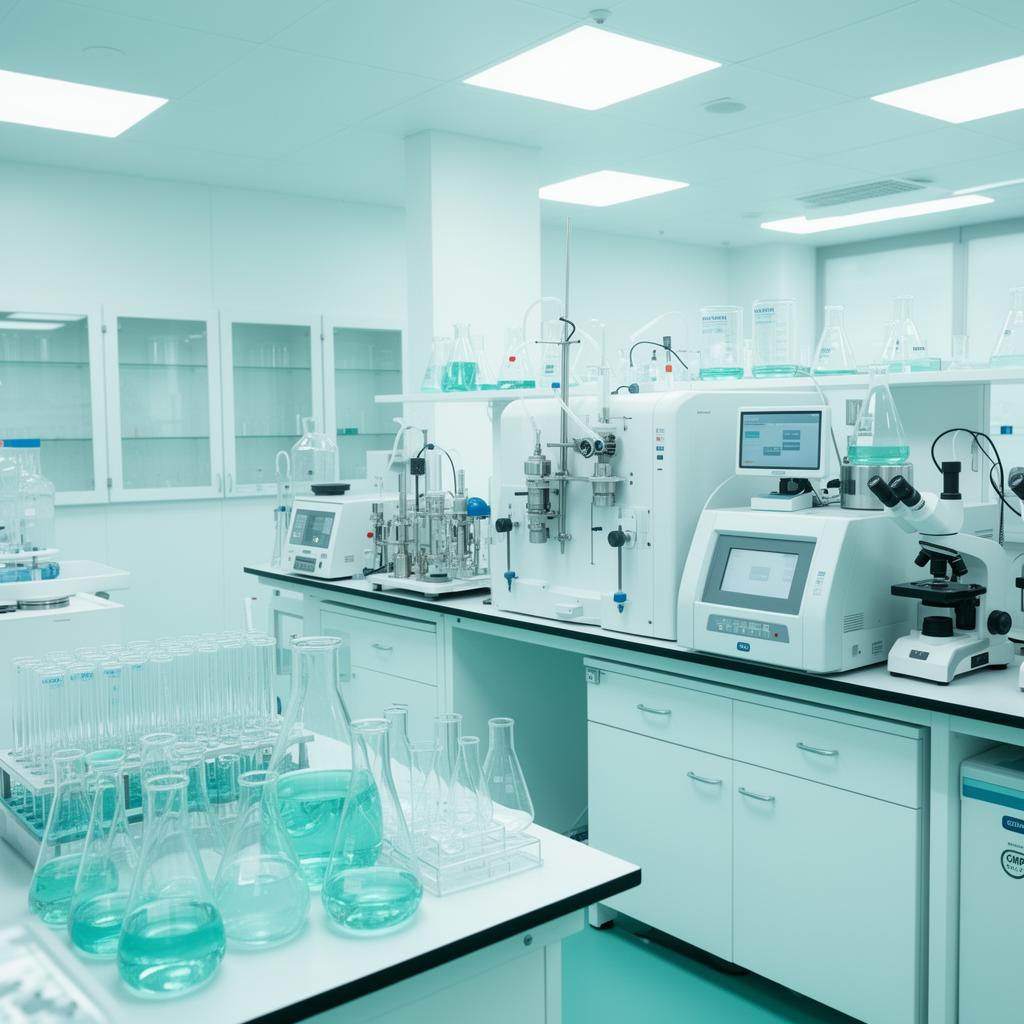
- GMP-Certified Laboratories: Our MSCs are processed in Good Manufacturing Practice (GMP)-certified laboratories. This ensures that the cells are handled in sterile environments, free from contamination, and that standardized protocols are followed at every step from isolation to expansion and cryopreservation.
- Cell Characterization and Purity: Before release for clinical use, each batch of MSCs undergoes extensive testing to confirm their identity (phenotype), viability, sterility (absence of bacteria, fungi, mycoplasma, endotoxins), and potency (functional capacity). This ensures that only high-quality, safe, and effective cells are utilized.
- Absence of Contaminants: We ensure that there are no harmful contaminants, such as animal additives (e.g., fetal bovine serum), which can sometimes be used in cell expansion but carry risks. Our protocols utilize xeno-free, defined media for cell culture.
Procedure-Related Risks
The method of delivery also plays a role in safety. Our stem cell therapy for autism typically involves intravenous (IV) administration or intrathecal administration (into the cerebrospinal fluid).
- Intravenous (IV) Administration (Intravenous Stem Cell Therapy): This is generally well-tolerated. Potential, though rare, risks include bloodstream infections (minimized by sterile technique), allergic reactions, or temporary vascular irritation.
- Intrathecal Administration: This method allows cells to bypass the blood-brain barrier more effectively, potentially enhancing their access to the central nervous system. It involves a lumbar puncture, which carries minimal risks such as temporary headache (post-dural puncture headache), minor bleeding, or infection. These risks are carefully managed by highly experienced medical professionals performing the procedure under strict sterile conditions.
It's important to distinguish between stem cell and exosome administration routes. While stem cells are administered via IV or intrathecally, exosome therapy may also involve intranasal exosome therapy, which allows exosomes to potentially reach the brain directly via olfactory pathways, offering another gentle and non-invasive route.
Regulatory Landscape and Ethical Considerations
The field of regenerative medicine is dynamic, and regulatory frameworks vary globally. At Autism Stem Care, we operate within the legal and ethical guidelines established in Turkey, which permit the use of autologous and allogeneic umbilical cord-derived MSCs for compassionate use and clinical applications under strict medical supervision and quality control. Our commitment extends beyond mere compliance; we uphold the highest ethical standards, ensuring informed consent, patient autonomy, and the responsible application of these advanced therapies.
Parents considering these therapies are encouraged to ask thorough questions and ensure that any clinic they consult adheres to international best practices for cell quality, processing, and administration. Our patient journey is designed to be fully transparent, providing you with all the necessary information to make informed decisions.
The Autism Stem Care Advantage: Our Commitment to Safety
At Autism Stem Care, your child’s safety, comfort, and well-being are our absolute priorities. Everything, from our state-of-the-art facilities in Istanbul to our highly qualified medical team, is geared towards providing premium, secure, and compassionate care. Here's how we ensure a safe experience:
- Expert Medical Team: Our physicians are specialists in regenerative medicine and pediatrics, experienced in delivering cell-based therapies and managing the unique needs of children with autism.
- Individualized Treatment Planning: We conduct a comprehensive evaluation of each child, including detailed medical history, current therapies, and specific needs, to create a personalized treatment plan. This allows us to tailor the cell dosage and administration route to optimize potential benefits while minimizing risks.
- Continuous Monitoring: During and after cell administration, children are closely monitored by our medical team to observe for any immediate reactions and to ensure their comfort. Our follow-up and monitoring protocols are robust.
- Sterile Environment: All procedures are performed in a hospital setting with strict aseptic techniques to prevent infection.
- Premium Quality Cells: As highlighted earlier, our collaboration with GMP-certified laboratories ensures that only the highest quality, thoroughly tested umbilical cord MSCs are used.
We believe in providing supportive interventions that may help improve certain aspects of a child's health and development. Regenerative support for neuroinflammation and immune dysregulation are specific areas where MSCs are being studied. Our combined stem cell and exosome protocols reflect our commitment to harnessing the full potential of regenerative medicine within a framework of safety and ethical practice.
Frequently Asked Questions About Safety
Are there any long-term side effects associated with stem cell therapy for autism?
Based on current clinical data and ongoing research, significant long-term side effects from well-characterized, clinically applied mesenchymal stem cells (MSCs) are rare. Studies across various conditions have not indicated an increased risk of tumor formation or chronic adverse reactions. Our rigorous cell sourcing and processing ensure the purity and safety of the MSCs used, contributing to a favorable long-term safety profile.
How do you ensure the stem cells are safe and free from contamination?
Our commitment to safety begins with stringent donor screening and continues through every step of cell processing. We partner with GMP (Good Manufacturing Practice)-certified laboratories that adhere to international quality standards. This includes thorough testing for infectious agents, genetic abnormalities, and contaminants. Each batch of cells undergoes comprehensive characterization to confirm purity, viability, and sterility before being approved for use.
What happens if my child has an allergic reaction during the therapy?
While severe allergic reactions to allogeneic (donor) MSCs are very rare due to their immunomodulatory properties and low immunogenicity, our medical team is fully prepared to manage any such event. All administrations take place in a fully equipped clinical setting, and our medical professionals are trained to promptly identify and treat any adverse reactions, ensuring your child's safety and well-being throughout the process.
Is stem cell therapy approved by regulatory bodies like the FDA?
It's important for parents to understand that regulatory approvals for stem cell therapies vary significantly across countries and for different conditions. In many parts of the world, including some European nations and regions like Turkey, specific stem cell applications are available under well-defined medical protocols and ethical guidelines. However, currently, no stem cell therapy is universally "FDA-approved" specifically for the treatment of autism. Our clinic operates in full compliance with the relevant local and international medical regulations that permit the judicious use of these advanced cellular therapies under strict medical supervision. We focus on providing regenerative support that may assist in the child’s developmental journey.
We understand that deciding on a supportive therapy for your child is a profound concern, and we are here to support you with comprehensive information and compassionate care. If you have further questions or wish to discuss how regenerative medicine may be considered for your child, we invite you to book a consultation with our expert team at Autism Stem Care.