Article content
Neuroinflammation is one of the most important biological concepts parents encounter when researching autism and regenerative medicine. Many families begin with behavioral questions such as speech delay, sensory dysregulation, emotional reactivity, repetitive behaviors, poor sleep, or difficulty with attention and engagement. As they continue reading, they often discover a deeper scientific discussion around brain inflammation, immune activation, microglia, cytokines, and the possibility that inflammatory processes may influence symptom severity in some children.
This article explains what neuroinflammation is, why it is discussed in autism research, how it may affect behavior and development, why the topic matters in regenerative medicine, and what families should understand before drawing conclusions.
At Autism Stem Care in Istanbul, we believe parents deserve serious, medically reasoned explanations. That means being clear about what the science suggests, what remains under investigation, and why neuroinflammation should be viewed as one possible part of the autism picture rather than a simplistic explanation for every case.
Understanding Neuroinflammation
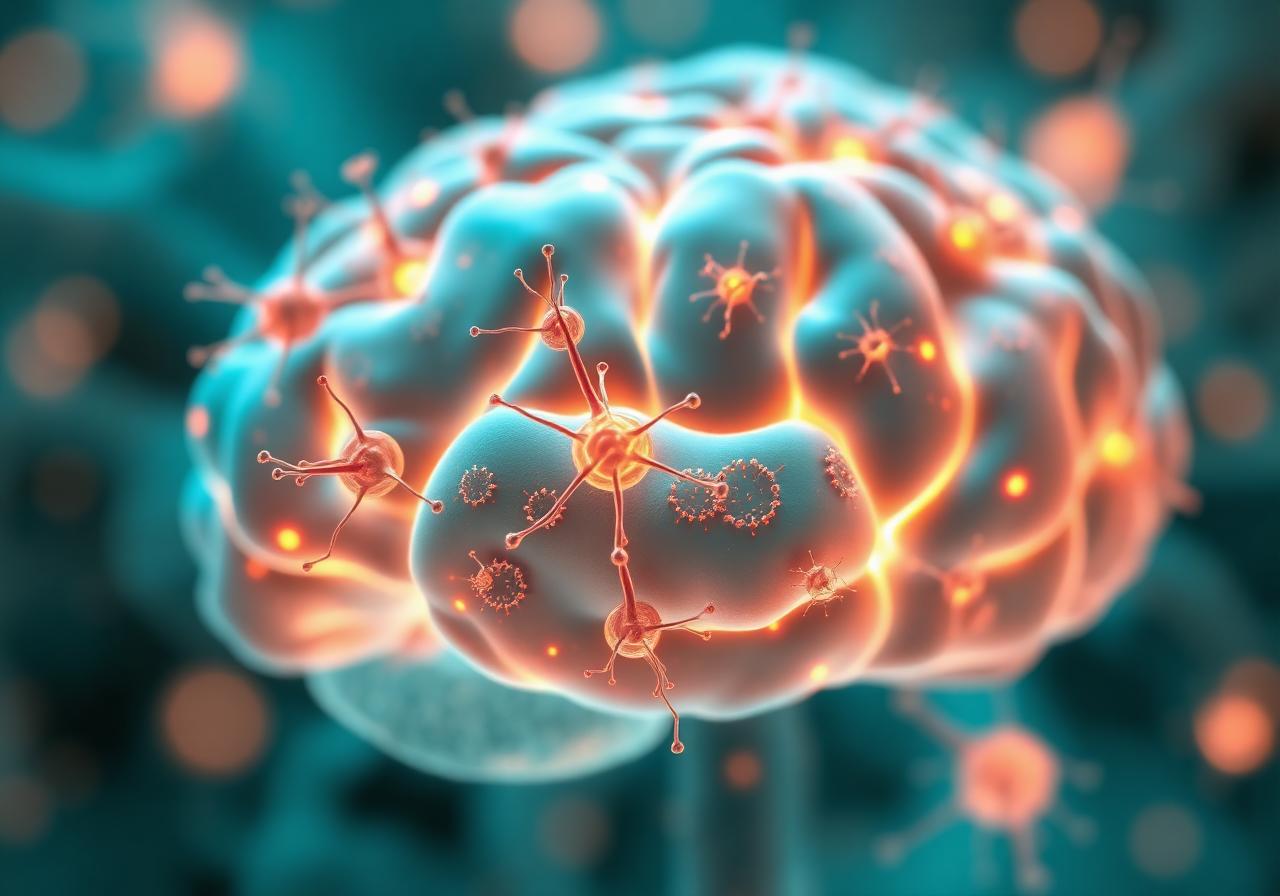
Neuroinflammation refers to inflammatory activity within the brain and nervous system. It can involve immune signaling molecules, activation of resident immune cells in the brain, changes in inflammatory pathways, and broader disturbances in the communication between the immune system and the nervous system.
In normal circumstances, inflammation is part of the body’s defense and repair system. It helps respond to infection, injury, and stress. The problem arises when inflammatory signaling becomes persistent, excessive, poorly regulated, or chronically activated. When that happens, the brain’s internal environment may become less supportive of optimal communication, development, and regulation.
This is why neuroinflammation attracts so much attention in autism research. The concern is not merely that inflammation exists, but that ongoing inflammatory signaling may influence how the brain processes information, adapts, develops, and responds to stress.
Why Is Neuroinflammation Discussed in Autism?
Autism spectrum disorder is diagnosed behaviorally, but that does not mean biology is irrelevant. Over time, researchers have explored whether subsets of children with autism may show biological patterns involving:
- immune dysregulation
- elevated inflammatory signaling
- altered cytokine activity
- microglial activation
- oxidative stress
- mitochondrial strain
- gut-immune-brain axis imbalance
- metabolic irregularities
The reason neuroinflammation is discussed so often is because some researchers believe that chronic inflammatory activity in the nervous system may contribute to symptom intensity or functional difficulties in selected children.
That does not mean inflammation is the sole cause of autism. It also does not mean every child with autism has the same inflammatory profile. Autism is highly heterogeneous, and one of the biggest mistakes parents can make is assuming that one biological theory explains every child equally well.
What Is the Basic Theory?
The basic theory is straightforward. If the brain is exposed to chronic inflammatory signaling, the environment in which neurons communicate may become less stable and less efficient. This may affect:
- communication between brain cells
- synaptic function
- sensory processing
- regulation of arousal and stress
- learning readiness
- emotional regulation
- sleep quality
- attention and cognitive flexibility
In simple language, if the nervous system is under inflammatory stress, the child may have a harder time functioning at their best. That idea is one reason families and clinicians are interested in anti-inflammatory and immunomodulatory strategies.
What Are Microglia and Why Do They Matter?
Any serious discussion of neuroinflammation usually includes microglia. Microglia are immune-related cells that live in the brain and help maintain the neural environment. They play important roles in immune defense, cleanup of cellular debris, synaptic pruning, and response to injury or stress.
When microglia are functioning appropriately, they are part of healthy brain maintenance. When they become persistently activated or dysregulated, researchers believe they may contribute to ongoing inflammatory signaling.
This matters in autism research because abnormal microglial activation has been proposed as one possible mechanism in at least some cases. The key point is not that microglia are “bad,” but that their activity must remain balanced. Too much activation over time may create a less favorable environment for normal neural communication and developmental regulation.
How Could Neuroinflammation Affect Autism Symptoms?
If neuroinflammation is present, it may potentially influence symptoms in several ways.
1. Sensory Dysregulation
Many children with autism struggle with hypersensitivity to sound, light, touch, movement, textures, or environmental change. If inflammatory stress alters how the nervous system filters and processes input, this may contribute to sensory overload and reduced tolerance.
2. Attention and Engagement
Some children appear constantly distracted, poorly regulated, or inconsistently connected to their surroundings. If inflammatory processes interfere with efficient signaling in the brain, attention, processing speed, and engagement may be affected.
3. Emotional Reactivity
Parents often describe sudden crying episodes, irritability, frustration, low tolerance for transitions, or unpredictable behavioral escalation. Neuroinflammation has been discussed as one possible contributor to a nervous system that is more reactive and less stable.
4. Sleep Disturbance
Sleep is deeply connected to nervous system regulation, inflammation, and brain recovery. When inflammatory signaling is elevated, sleep quality may worsen, and poor sleep can further aggravate inflammation. This creates the kind of loop that can intensify symptom burden.
5. Language and Processing Readiness
Speech and language are not purely mechanical skills. They depend on attention, sensory integration, nervous system regulation, and coordinated neural communication. If the nervous system is under chronic inflammatory stress, developmental readiness in these areas may also be affected.
6. Repetitive Behaviors and Rigidity
Some researchers believe inflammatory stress may contribute indirectly to repetitive patterns, behavioral rigidity, and difficulties with flexibility by affecting broader brain regulation and adaptive processing.
None of this means neuroinflammation explains every symptom in every child. It means the inflammatory state of the nervous system may be one factor that affects how strongly symptoms are expressed.
Is There Proof That Neuroinflammation Causes Autism?
This is where careful language matters.
The more accurate answer is that neuroinflammation is associated with and investigated in relation to autism, but it should not be presented as a proven universal cause. The research interest is strong because inflammatory markers, immune changes, and related biological findings have been observed in some individuals. But autism is complex, and causation is not simple.
A responsible explanation should say the following:
- neuroinflammation may play a role in some children
- it may contribute to symptom burden rather than fully define the condition
- not every child with autism will show the same inflammatory profile
- treatment decisions should never be based on one theory alone
That is the medically serious position.
Why Do Parents and Clinics Focus on Inflammation So Much?
Because inflammation is one of the more actionable biological concepts.
Parents can understand it. Clinicians can evaluate signs that may suggest inflammatory involvement. Regenerative medicine often centers around anti-inflammatory and immunomodulatory strategies. Nutritional approaches, gut-focused interventions, oxidative stress support, sleep optimization, and certain advanced therapies are also often framed through the lens of reducing inflammatory burden.
That does not make inflammation the whole story, but it does make it clinically relevant.
What Does This Mean for Regenerative Medicine?
Regenerative medicine becomes relevant here because many advanced biological therapies are discussed in terms of their potential to support a healthier inflammatory environment.
For example, mesenchymal stem cells are often studied for their:
- anti-inflammatory signaling
- immune-modulating effects
- support for cellular communication
- potential influence on tissue repair environment
Exosomes are also discussed because they may carry signaling molecules involved in:
- inflammation control
- immune balancing
- repair communication
- support for stressed tissues
The reason parents hear so much about stem cells and exosomes in autism is not because they are magical solutions. It is because researchers and clinicians are interested in whether they may help shift the biological environment in children whose symptom burden may be influenced by inflammation, immune dysregulation, or related mechanisms.
Can Anti-Inflammatory Strategies Help?
Potentially, in selected children, but this must be framed carefully.
When families ask whether anti-inflammatory interventions may help, the serious answer is that some children may benefit from strategies aimed at reducing inflammatory stress or improving immune balance. These may include broader medical, nutritional, environmental, gastrointestinal, and regenerative approaches.
But there are important limits:
- not every child will respond the same way
- inflammation may not be the main driver in every case
- symptom improvement can be partial, selective, or gradual
- anti-inflammatory support is not the same as a cure
Any clinic or practitioner who collapses all autism into “brain inflammation” and then offers one simple solution is oversimplifying a very complex reality.
The Gut-Immune-Brain Connection
One reason neuroinflammation is such a powerful topic in autism is that the brain does not operate in isolation. The immune system, gastrointestinal system, metabolic function, and nervous system are all interconnected.
Many children with autism also have issues such as:
- chronic gastrointestinal symptoms
- food sensitivities
- irregular bowel habits
- immune reactivity
- sleep disturbances
- fluctuating behavior linked to illness or inflammation
These patterns have led to growing interest in the gut-immune-brain axis. The idea is that inflammation outside the brain may still influence how the brain functions. This is one reason some clinicians do not look only at behavior, but also at immune health, digestive function, and broader biological stress.
Why Individual Variation Matters So Much
This is one of the most important sections for parents.
Even if neuroinflammation matters, it will not matter in exactly the same way for every child. One child may have strong sensory symptoms and gastrointestinal problems. Another may have sleep disruption and inflammatory episodes. Another may have no obvious inflammatory clues at all. Another may show developmental gains mainly through therapy and educational support rather than medical intervention.
That is why a serious clinic should never apply a rigid one-size-fits-all formula.
At Autism Stem Care, any discussion of neuroinflammation should be personalized. The child’s history, symptoms, comorbidities, medical background, and family goals all matter.
What Signs Make Clinicians Think More About Inflammation?
No single sign proves neuroinflammation, but certain patterns may lead clinicians to think more carefully about inflammatory involvement, including:
- regression after infection or immune stress
- fluctuating symptom severity
- poor sleep with behavioral worsening
- gastrointestinal issues alongside neurological symptoms
- strong irritability or unexplained behavioral instability
- frequent immune challenges
- signs of systemic inflammatory burden
- a history suggesting broader immune dysregulation
These patterns do not provide a diagnosis by themselves, but they help create the biological context for a more individualized assessment.
What Questions Should Parents Ask?
If you are researching neuroinflammation and autism, the right questions are more important than the loudest promises.
Ask questions such as:
- Why do you think inflammation may be relevant in my child’s case?
- What features of my child’s history support that view?
- How do you distinguish evidence from assumption?
- What anti-inflammatory or regenerative strategies are being considered?
- Why are they appropriate for my child specifically?
- What are the expected goals?
- What are the limitations?
- How does this fit alongside therapy, education, and broader medical care?
These questions help move the conversation from vague hope to meaningful clinical reasoning.
How This Relates to Treatment Planning at Autism Stem Care
The topic of neuroinflammation matters because it can shape how a child’s case is interpreted. If inflammatory burden is suspected to be part of the biological picture, treatment planning may give greater attention to:
- immune-related history
- gastrointestinal function
- sleep patterns
- sensory reactivity
- developmental fluctuations
- oxidative and metabolic stress patterns
- suitability for regenerative support
- integration with existing therapies
At Autism Stem Care in Istanbul, we believe that treatment planning should begin with a full-picture view of the child. Neuroinflammation may be one piece of that picture, but it should never be treated as the only lens.
Key Takeaways
- Neuroinflammation refers to inflammatory activity in the brain and nervous system.
- It is discussed in autism because some research suggests inflammatory and immune-related processes may contribute to symptom burden in certain children.
- Neuroinflammation is not a proven universal cause of autism and should not be presented that way.
- Possible areas affected by inflammatory stress may include sensory regulation, attention, sleep, emotional stability, and developmental readiness.
- Microglia and immune signaling are important parts of the scientific discussion.
- Anti-inflammatory and immunomodulatory strategies attract attention because they may help support a healthier biological environment.
- Every child is different, which means any inflammation-focused treatment discussion must be individualized.
- Regenerative medicine should be considered as a complementary strategy, not a replacement for established behavioral, developmental, and therapeutic care.
Learn More
We encourage you to explore our other educational articles and resources to build a comprehensive understanding of regenerative medicine for autism:
- Stem Cell Therapy for Autism — our complete guide to MSC therapy
- Exosome Therapy for Autism — understanding cell-free regenerative approaches
- Our Medical Approach — how we design personalized treatment protocols
- Autism Spectrum Disorder — understanding the biological factors of ASD
- Patient Journey — what to expect from consultation to follow-up
- Frequently Asked Questions — answers to common parent questions
Final Word
Neuroinflammation is one of the most important biological frameworks in current autism-related research because it offers a way to think about how immune activity, inflammatory stress, and nervous system function may interact. For some children, this framework may help explain why symptoms fluctuate, why regulation is difficult, or why broader biological support may matter.
At the same time, it must be approached with discipline. Neuroinflammation is not a catch-all answer, not a guaranteed target, and not a license for exaggerated promises. The families who make the best decisions are the ones who understand both the potential relevance of inflammation and the need for careful, individualized case review.
If you would like to discuss whether inflammatory mechanisms may be relevant in your child’s case, Autism Stem Care in Istanbul can review your child’s medical history, symptom pattern, current therapies, and treatment goals during a consultation.
Disclaimer: This article is for educational purposes only and does not constitute medical advice. Individual results vary. Regenerative medicine approaches discussed in relation to autism are not established as standard treatment in many jurisdictions. Families should consult qualified healthcare professionals before making medical decisions.