Article content
Navigating the complexities of autism spectrum disorder (ASD) involves understanding many interconnected biological processes. For many parents, hearing terms like "inflammation" and "cytokines" can feel daunting, yet these concepts are crucial in appreciating the nuanced research surrounding autism. At Autism Stem Care, we believe in empowering families with clear, science-informed insights. This article aims to shed light on cytokines – vital messengers within our immune system – and their potential role in inflammatory pathways observed in some children with autism.
Understanding Cytokines: The Immune System's Messengers
Our bodies are intricate systems, constantly communicating internally. Cytokines are small proteins that act as these critical communicators, primarily within the immune system. They are produced by various cells, including immune cells, and function much like hormones, transmitting signals to regulate immune responses, inflammation, and even cell growth and repair.
- Pro-inflammatory cytokines: These types of cytokines promote inflammation, which is the body's natural response to injury or infection. While essential for defense, chronic or dysregulated pro-inflammatory cytokine activity can be detrimental. Examples include IL-1β, IL-6, TNF-α.
- Anti-inflammatory cytokines: Conversely, these cytokines help to reduce inflammation and promote tissue healing and immune balance. IL-10 and TGF-β are well-known examples.
The balance between pro- and anti-inflammatory cytokines is fundamental to maintaining health. When this delicate balance is disrupted, it can lead to chronic inflammation, impacting various bodily systems, including the brain.
Inflammation and Neuroinflammation in Autism: A Growing Area of Research
Over recent decades, research has increasingly pointed to the prevalence of inflammatory processes in a subset of individuals with autism. This isn't just about inflammation in the gut or other organs; it often extends to the brain, a phenomenon called neuroinflammation. For a deeper understanding of this complex topic, please visit our dedicated page on autism and neuroinflammation.
Studies have identified altered cytokine profiles in individuals with ASD. This means that the levels or activity of certain cytokines, particularly pro-inflammatory ones, may be elevated, while anti-inflammatory cytokines might be reduced, suggesting a state of chronic, low-grade inflammation.
How Cytokines Might Influence Brain Function in Autism
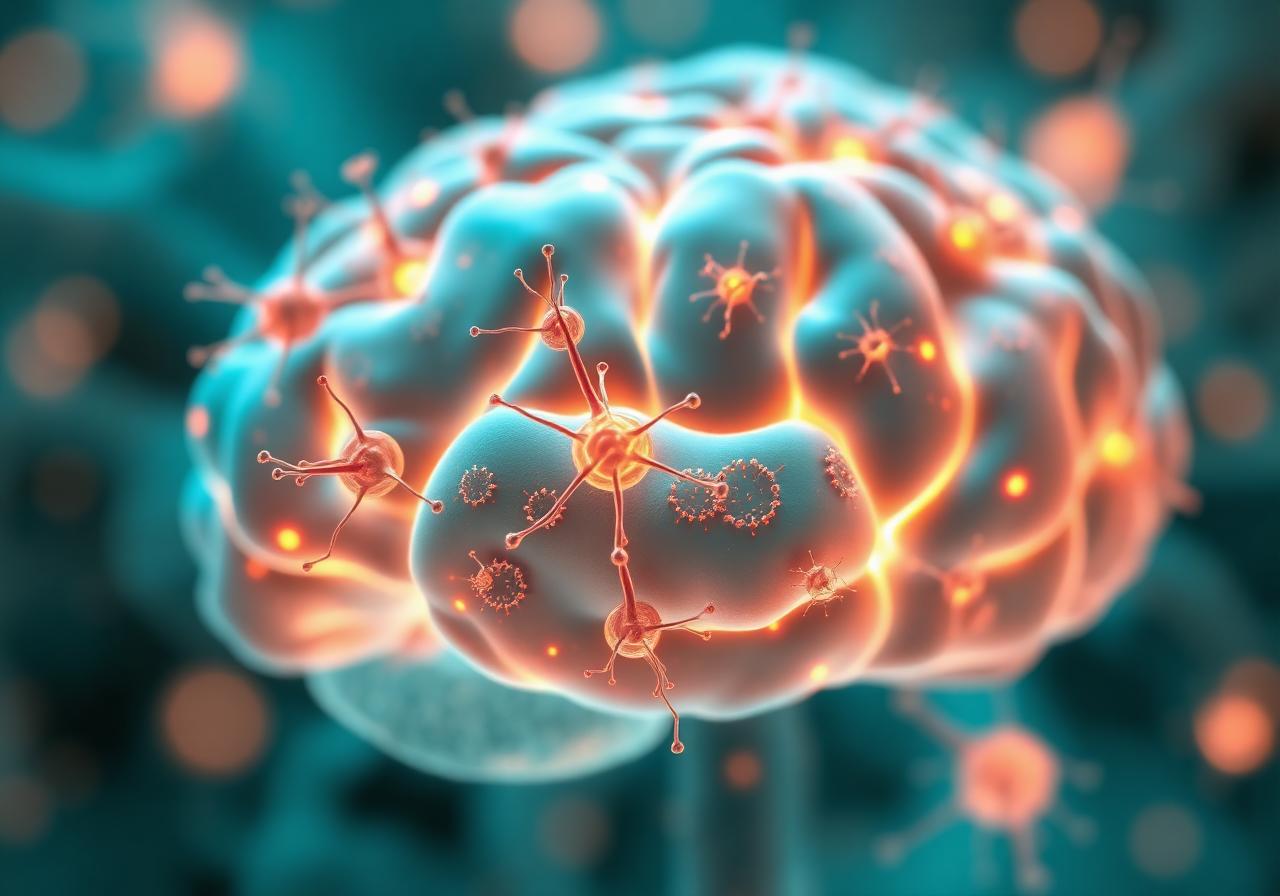
The brain, once thought to be immune-privileged, is now known to engage in active immune responses. Microglia, specialized immune cells in the brain, play a critical role in brain development, synaptic pruning, and responding to injury or infection. When activated, microglia release cytokines, which can influence neuronal function in several ways:
- Synaptic Dysfunction: Cytokines can interfere with synaptic plasticity – the brain's ability to form and strengthen connections – which is essential for learning and memory.
- Neurotransmitter Imbalance: They can affect the synthesis and breakdown of neurotransmitters, the chemical messengers in the brain.
- Oxidative Stress: Chronic inflammation often goes hand-in-hand with oxidative stress, another factor implicated in autism, which can damage cells and contribute to neurodevelopmental challenges.
- Blood-Brain Barrier Integrity: Cytokines can impact the integrity of the blood-brain barrier, potentially leading to increased permeability and allowing unwanted substances into the brain.
This intricate interplay highlights why addressing underlying inflammatory pathways is a compelling area of research and therapeutic exploration.
Potential Sources of Inflammation in ASD
The origins of immune dysregulation and inflammation in autism are likely multifactorial, involving a combination of genetic predispositions and environmental factors. Some key areas of focus include:
- Gut-Brain Axis: The connection between the gut and the brain is profoundly important. Dysbiosis (an imbalance of gut bacteria) and a "leaky gut" can lead to systemic inflammation, producing cytokines that may cross into the brain. Our Gut-Brain Axis support programs are designed to address these connections. For more on this, see autism and gut inflammation and autism and digestive problems.
- Environmental Toxins: Exposure to certain environmental toxins and heavy metals may trigger immune responses and inflammatory cascades.
- Infections: Past or chronic infections can leave an inflammatory footprint, influencing cytokine profiles.
- Mitochondrial Dysfunction: Cells that struggle to produce energy efficiently can also contribute to inflammation and oxidative stress, a phenomenon further explored on our page about autism and mitochondrial dysfunction.
Understanding these potential triggers helps us to develop a more holistic and personalized approach to supporting children with autism.
Regenerative Medicine and Inflammation Modulation
At Autism Stem Care, we focus on advanced regenerative medicine strategies that aim to support the body's natural healing processes, including immune modulation and the reduction of inflammation. While not a cure, these approaches are being studied for their potential to help rebalance cytokine profiles and support neurological health.
Mesenchymal Stem Cells (MSCs)
Mesenchymal stem cells, often sourced from umbilical cord tissue (umbilical cord mesenchymal stem cells) or Wharton's Jelly (Wharton's Jelly stem cells), are renowned for their immunomodulatory and anti-inflammatory properties. When administered, particularly through methods like intravenous stem cell therapy or intrathecal stem cell administration, MSCs are believed to interact with the immune system in several beneficial ways:
- Cytokine Shift: MSCs may influence the production of cytokines, promoting a shift from a pro-inflammatory to an anti-inflammatory environment. They can secrete anti-inflammatory cytokines like IL-10 and inhibit the release of pro-inflammatory ones.
- Microglial Modulation: Research suggests MSCs can modulate the activity of microglia, helping to dampen excessive neuroinflammatory responses.
- Growth Factor Secretion: They also secrete various growth factors that support tissue repair and neuroprotection.
Our approach to stem cell therapy for autism is rooted in the extensive research on these mechanisms, aiming to provide comprehensive support for children.
Exosomes: The Next Frontier in Cellular Communication
Exosomes are tiny vesicles released by cells, including stem cells, that carry proteins, lipids, and genetic material (like microRNAs) to other cells. They are essentially the "mail carriers" of intercellular communication. Exosome therapy for autism is gaining significant interest because exosomes carry many of the therapeutic benefits of stem cells without being whole cells themselves.
Exosomes derived from MSCs hold particular promise due to their:
- Anti-inflammatory Payload: They carry anti-inflammatory molecules that can directly influence cytokine production and reduce inflammation.
- Neurotrophic Support: Exosomes can also deliver neurotrophic factors that support neuronal survival and regeneration.
- Blood-Brain Barrier Penetration: Due to their small size, exosomes may more readily cross the blood-brain barrier, delivering their therapeutic cargo directly to the brain.
For children, intranasal exosome therapy is often considered due to its non-invasive nature and potential for direct delivery to the central nervous system. We also utilize combined stem cell and exosome protocols when appropriate to leverage the synergistic benefits of both.
Our Medical Approach: A Holistic Perspective
At Autism Stem Care, we understand that every child with autism is unique. Our medical approach is centered on a comprehensive evaluation and personalized treatment planning. We consider not just the core characteristics of autism, but also co-occurring conditions and underlying biological factors, such as immune dysregulation and inflammation.
Our aim is to provide regenerative support for neuroinflammation as part of a broader strategy:
- Comprehensive Diagnostics: We conduct thorough assessments to identify markers of inflammation, cytokine imbalances, and other relevant biological factors.
- Tailored Protocols: Based on individual needs, we design protocols that may include specific immunomodulatory and regenerative treatments.
- Integrative Support: Our programs often integrate with other therapeutic strategies, such as nutritional support, aimed at reducing systemic inflammation and supporting gut health.
Our patient journey is designed to be supportive and transparent, providing international families with clarity and peace of mind from the initial consultation through to follow-up and monitoring. Our team in Istanbul is dedicated to providing world-class international patient services, ensuring a seamless experience for families choosing us. You can explore why Istanbul for treatment offers such a unique proposition.
Frequently Asked Questions About Cytokines, Inflammation, and Autism
Are elevated cytokines always problematic in autism?
Not necessarily. Cytokines are part of normal immune function. The concern arises when there is a persistent imbalance, particularly with elevated pro-inflammatory cytokines and reduced anti-inflammatory ones, indicating chronic low-grade inflammation that may impact neurological processes. It's the overall cytokine profile and persistent dysregulation that researchers focus on.
Can diet influence cytokine levels in children with autism?
Yes, diet can have a significant impact. Certain foods can be pro-inflammatory (e.g., highly processed foods, excess sugar, certain allergens), while others are anti-inflammatory (e.g., omega-3 fatty acids, antioxidants from fruits and vegetables). Modifying diet to reduce inflammatory triggers and support gut health is often a complementary strategy in addressing immune dysregulation in autism.
How are cytokine levels measured?
Cytokine levels can be measured through blood tests, and sometimes through cerebrospinal fluid analysis (though this is more invasive and less common for routine assessment). Researchers use specialized assays to quantify the presence of various cytokines in these biological samples.
Is it possible to "cure" inflammation in autism?
It's important to understand that inflammation itself is a biological process, not a singular "disease" to be cured. Our goal at Autism Stem Care is not to "cure" inflammation, but rather to modulate the immune system, reduce chronic inflammatory states, and support the body's natural capacity for healing and balance. This may help alleviate some of the biological burdens associated with autism, which in turn may support improved developmental trajectories. We never claim to cure autism, but rather to provide regenerative support that may contribute to overall well-being.
Understanding the role of cytokines and inflammation is a vital step for families seeking to understand the biological underpinnings of autism. While research continues to evolve, regenerative therapies offer promising avenues for supporting the neurobiological health of children with autism. If you are considering these advanced options for your child and wish to learn more about how our approach may be considered, we invite you to book a consultation with our expert team at Autism Stem Care.