Article content
For many families, the journey with autism often includes a complex and sometimes bewildering period known as developmental regression. This phenomenon, where a child loses previously acquired skills, can be incredibly distressing and raises significant questions about its underlying causes. Emerging research increasingly points to a potential link between these regressive episodes and neuroinflammatory processes within the brain. At Autism Stem Care, we delve into these intricate connections, exploring how a deeper understanding of neuroinflammation may inform supportive strategies for children experiencing autism regression.
Understanding Autism Regression: A Challenging Aspect of Development
Autism Spectrum Disorder (ASD) is a neurodevelopmental condition characterized by challenges in social communication and interaction, as well as restricted, repetitive patterns of behavior, interests, or activities. While some children present with early signs of ASD from infancy, others develop typically for a period before experiencing a loss of skills – a phenomenon referred to as autism regression. This regression can manifest in various ways, such as a loss of verbal language, social engagement, or even daily living skills.
Typically, regression occurs between 18 and 36 months of age, though it can sometimes be observed later. The impact on families is profound, as previously celebrated milestones are suddenly reversed. The precise causes of regression in autism are not fully understood, but it is thought to involve a combination of genetic predispositions and environmental factors influencing brain development and function.
The Role of Inflammation in Neurological Development
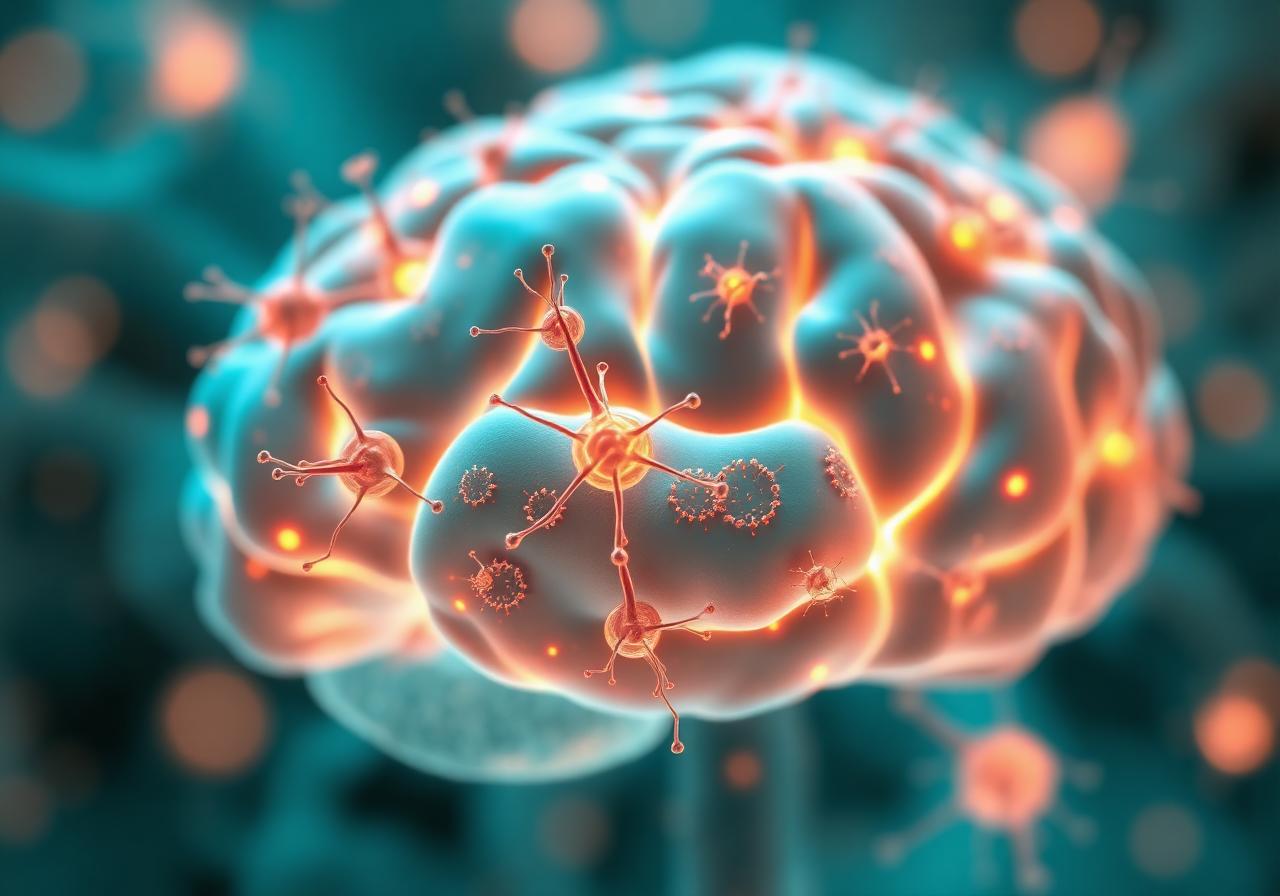
Inflammation is a natural bodily response to injury or infection. In the brain, this process is termed neuroinflammation. While acute neuroinflammation can be protective, chronic or dysregulated neuroinflammation is increasingly recognized as a contributing factor to various neurological conditions. In the context of autism, a growing body of evidence suggests an underlying state of chronic neuroinflammation may be present in a subset of individuals, potentially influencing brain development and function, and possibly correlating with regressive patterns.
This neuroinflammation can involve activated immune cells in the brain, such as microglia and astrocytes, releasing pro-inflammatory cytokines and other chemical mediators. These substances, while intended to protect, can sometimes lead to oxidative stress and neuronal damage if their activity is prolonged or imbalanced. Understanding this delicate balance is crucial when considering supportive strategies.
Neuroinflammation and Autism: A Deeper Dive
The concept of autism and neuroinflammation is a complex and evolving field of study. Research indicates that many children with autism may exhibit systemic and brain-specific inflammatory markers. These markers include elevated levels of pro-inflammatory cytokines in the blood and cerebrospinal fluid, as well as evidence of microglial activation (the brain's primary immune cells) in post-mortem brain tissue studies of individuals with ASD.
Potential Mechanisms Linking Neuroinflammation to Regression:
- Disrupted Synaptic Pruning: During early childhood development, the brain undergoes a crucial process called synaptic pruning, where unnecessary neural connections are eliminated to refine brain circuitry. Chronic neuroinflammation may interfere with this process, potentially leading to aberrant connectivity that could manifest as skill loss.
- Neuronal Dysfunction: Pro-inflammatory cytokines can directly impact neuronal function, affecting neurotransmitter systems, synaptic plasticity, and overall neuronal health. This dysfunction could underlie the cognitive and behavioral challenges observed in regression.
- Impaired Neurogenesis: Neuroinflammation may also negatively impact neurogenesis, the process by which new neurons are formed. This could hinder the brain's ability to repair and adapt, contributing to developmental setbacks.
- Blood-Brain Barrier Compromise: Chronic inflammation, especially systemic inflammation, can sometimes compromise the integrity of the blood-brain barrier, allowing inflammatory molecules and other substances to enter the brain more easily, exacerbating neuroinflammation.
- Mitochondrial Dysfunction: There is a significant overlap between neuroinflammation and autism and mitochondrial dysfunction. Impaired mitochondrial function can both contribute to and be exacerbated by oxidative stress and inflammatory processes, creating a cycle that further impacts brain health.
The Gut-Brain Axis: A Key Intermediary in Inflammation
The connection between the gut and the brain, known as the gut-brain axis, plays a pivotal role in overall health and is increasingly implicated in neurodevelopmental conditions. Imbalances in gut microbiota (dysbiosis) and autism and gut inflammation are frequently observed in individuals with autism. A compromised gut barrier (often referred to as "leaky gut") can allow bacterial byproducts and inflammatory substances to enter the bloodstream, potentially contributing to systemic inflammation, which can then cross the blood-brain barrier and fuel neuroinflammation.
Addressing gut health is therefore considered an integral part of a comprehensive approach to managing inflammatory processes that may be relevant to autism regression. Our programs often include assessment and support for gut-brain axis health as part of our medical approach.
Regenerative Medicine Support for Neuroinflammation
At Autism Stem Care, we are dedicated to exploring innovative, science-informed approaches that may support neurological health and potentially mitigate neuroinflammatory processes in children with autism, particularly those who have experienced regression. Our focus is on regenerative medicine, specifically regenerative support for neuroinflammation using mesenchymal stem cells and exosomes.
Mesenchymal Stem Cells (MSCs): Modulating the Immune Response
Mesenchymal Stem Cells (MSCs), often derived from umbilical cord tissue (umbilical cord mesenchymal stem cells including Wharton's Jelly stem cells), are of significant interest due to their powerful immunomodulatory and anti-inflammatory properties. MSCs do not directly attack inflammation but rather influence the immune system to shift from a pro-inflammatory state to an anti-inflammatory and reparative one. They achieve this by:
- Secreting Anti-inflammatory Cytokines: MSCs release various molecules that can suppress the activity of pro-inflammatory immune cells and promote the production of anti-inflammatory mediators.
- Modulating Microglial Activity: MSCs have been observed to calm overactive microglia, reducing their release of harmful inflammatory substances.
- Promoting Tissue Repair: Beyond inflammation, MSCs can secrete growth factors that support tissue repair, neurogenesis, and angiogenesis (formation of new blood vessels), which are crucial for brain health.
Stem cells can be administered through various routes, including intravenous stem cell therapy and intrathecal stem cell administration, which delivers them closer to the central nervous system, where they can exert their effects more directly.
Exosomes: Targeted Anti-inflammatory Messengers
Exosomes are tiny extracellular vesicles released by MSCs (and other cells) that carry a payload of proteins, lipids, and nucleic acids (mRNA, miRNA). They act as messengers, transferring their contents to recipient cells and influencing their function. In the context of neuroinflammation, exosomes derived from MSCs hold immense promise because they:
- Carry Anti-inflammatory Molecules: Exosomes can deliver specific miRNAs and proteins that have anti-inflammatory and immunomodulatory effects, directly influencing the cellular environment.
- Cross the Blood-Brain Barrier: Due to their small size, exosomes are capable of crossing the blood-brain barrier more readily than whole cells, potentially delivering their therapeutic cargo directly to the brain.
- Support Neuroprotection: Beyond modulating inflammation, exosome contents can promote neuroprotection, support neuronal survival, and enhance synaptic plasticity.
Exosome therapy, particularly intranasal exosome therapy, is a strategy being explored for its potential to deliver these beneficial molecules directly to the central nervous system in a non-invasive manner. Our exosome therapy protocols are designed to harness these properties to support brain health.
Integrated and Personalized Treatment Planning
At Autism Stem Care, we recognize that each child's journey with autism is unique. This is especially true for those experiencing regression. Therefore, our personalized treatment planning involves a thorough evaluation of each child's specific clinical picture, including their history of regression, co-occurring conditions, and biological markers of inflammation or immune dysregulation. Our comprehensive approach may involve combined stem cell and exosome protocols, tailored to the individual needs of the child.
Our commitment extends beyond the initial intervention. We emphasize ongoing partnerships with families, including comprehensive follow-up and monitoring to assess progress and make any necessary adjustments to the supportive strategies.
FAQs About Autism Regression and Neuroinflammation
What exactly is developmental regression in autism?
Developmental regression in autism refers to the loss of previously acquired skills, such as language, social interaction, or motor skills, after a period of typical or near-typical development. This loss of skills can be partial or significant and is often a sign that requires close medical attention and evaluation.
How is neuroinflammation assessed in children with autism?
Assessing neuroinflammation in children can be challenging. Current methods may include specialized blood tests to detect inflammatory markers (cytokines, chemokines), stool analysis for gut inflammation, and sometimes, in research settings, advanced imaging techniques that can indirectly suggest neuroinflammatory processes. Urine organic acid tests can also provide insights into metabolic factors linked to inflammation.
Can anti-inflammatory interventions reverse autism regression?
It is important to emphasize that regenerative medicine approaches, including those targeting neuroinflammation, are not presented as a cure for autism or a guaranteed reversal of regression. Instead, our goal is to provide supportive strategies that may help modulate neuroinflammatory processes, optimize the cellular environment, and potentially create a more favorable setting for neurological development and skill acquisition. Research in this area is ongoing, and our approaches are based on the latest scientific understanding.
Are stem cell and exosome therapies safe for children?
At Autism Stem Care, patient safety is our highest priority. We use only high-quality, ethically sourced mesenchymal stem cells (from umbilical cord tissue). All procedures are performed by experienced medical professionals in a state-of-the-art facility adhering to rigorous safety standards. As with any medical intervention, potential risks and benefits are thoroughly discussed with parents during the initial consultation.
Why choose Istanbul for these types of treatments?
Why Istanbul for Treatment? Istanbul has emerged as a significant hub for advanced medical care, combining world-class facilities and highly skilled medical professionals with a commitment to innovative therapies. This, coupled with comprehensive international patient services, makes it an attractive destination for families seeking specialized care. Our clinic offers a premium experience, ensuring comfort and comprehensive support throughout your patient journey.
If you are a parent exploring potential supportive strategies for your child with autism, especially if they have experienced developmental regression, we invite you to learn more about our science-backed approaches. A consultation with our expert team can provide you with personalized information and answer your specific questions.